Emilia-Romagna – the most detailed information about the region with photos. The main attractions of Emilia-Romagna with a description, guides and maps.
Contents
Emilia-Romagna (Italy)
Emilia-Romagna – a region in the north of Italy, which extends across virtually the entire Apennine Peninsula from Adriatic Sea and almost to the coast of Liguria. This is one of the largest administrative and territorial units of Italian State, consisting essentially of two historical areas: Emilia (northwest part of the ancient Emilia Road) and Romagna (southeastern part). Emilia-Romagna is diverse a region known for its beautiful medieval and renaissance cities, culinary traditions and magnificent nature. He is comfortable located between Milan, Venice and Florence, being one of agricultural centers of Italy.
- Geography and climate
- Best time to visit
- Practical information
- Cities Emilia Romagna
- Story
- How to get there
- Food and drink
- sights
- Video
- Maps and guides
- Comments and reviews
Geography and climate
Emilia-Romagna is a geographically diverse region, comprising a large strip of the Adriatic Sea, the Po delta, vast plains and part of the Apennine Mountains. The area extends from Adriatic in the east and a little does not reach the coast of Ligurian seas in the west. Emilia-Romagna is usually referred to the northeast Italy. It is bordered in the north with Lombardy and Venice, in the south with Tuscany and Marche, in the east bounded by the Adriatic Sea, and west – Liguria and Piedmont.
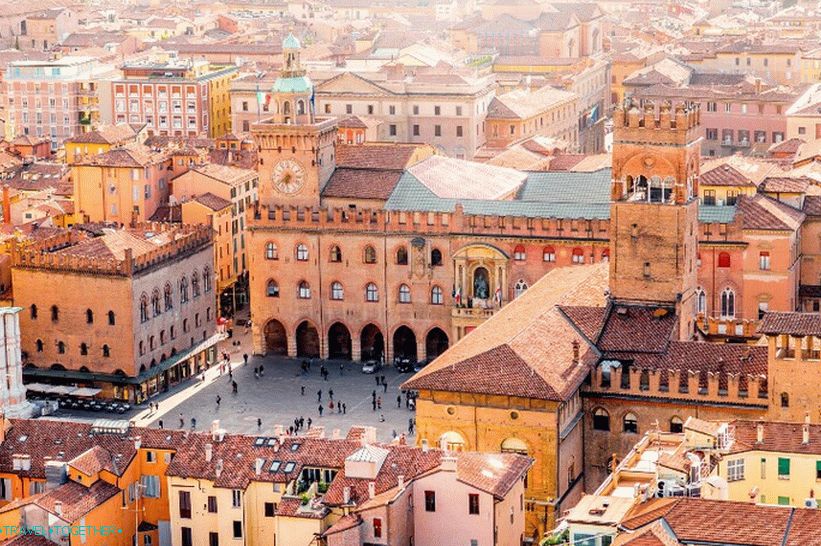 Bologna – capital of Emilia Romagna
Emilia-Romagna has a warm temperate climate, which characterized by hot summer and cool winter. In the mountains – the climate Alpine with cool summers and relatively cold winters; on plains – the climate is more continental, winters are somewhat colder and often accompanied by fog; on the coast – a temperate sea climate cold northeast winds in winter. By territory Emilia-Romagna also flow large rivers: Po, Trebbia, Nure, Arda, Parma, Rubicon.
Best time to visit
Emilia-Romagna can be visited all year round, but preference is better give a warm period. The perfect time to come here – May, June, September and October.
Practical information
- The population is 4.5 million people.
- The area is 22,447 km².
- The average height above sea level – 211 m.
- The language is Italian.
- Currency – Euro.
- Visa – Schengen.
- Time – Central European (UTC +1, summer +2).
- Emilia-Romagna includes nine provinces: Bologna, Ferrara, Rimini, Forli-Cesena, Modena, Parma, Piacenza, Ravenna, Reggio Emilia.
Cities Emilia Romagna
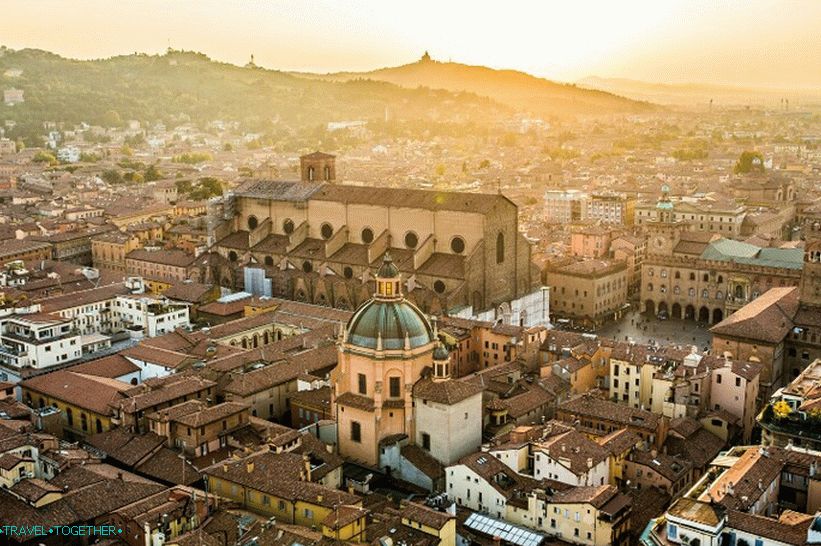 Bologna
Bologna is the administrative center of Emilia-Romagna and one of Italy’s richest cities, known for its magnificent gastronomy and prestigious university. Bologna is a flavor medieval Italian city: fortifications, narrow and curves streets, ancient buildings, porticos and arcades, numerous historical and cultural monuments – impressive churches, luxurious palazzo and impressive towers.
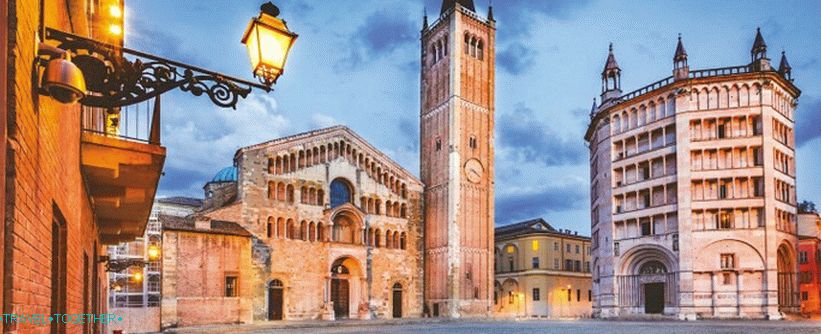 Parma
Parma
Parma is an elegant city with a sophisticated atmosphere and beautiful medieval center, rich in masterpieces of art, monuments history and culture. Parma is famous for its delicious gastronomy and local products, among which the most famous are ham (prosciutto) and hard cheeses (parmesan).
 Ravenna
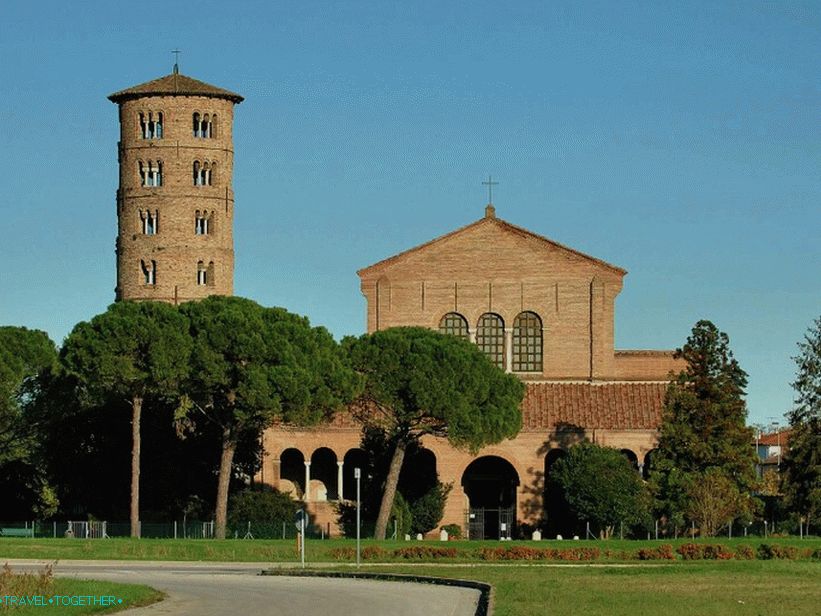
Ravenna is a magnificent historic city that is a real treasure trove of art, history and culture. Known magnificent sights of the Byzantine era and stunning mosaics of the period of late antiquity. Also Ravenna is the last refuge of the great Dante.
 Rimini
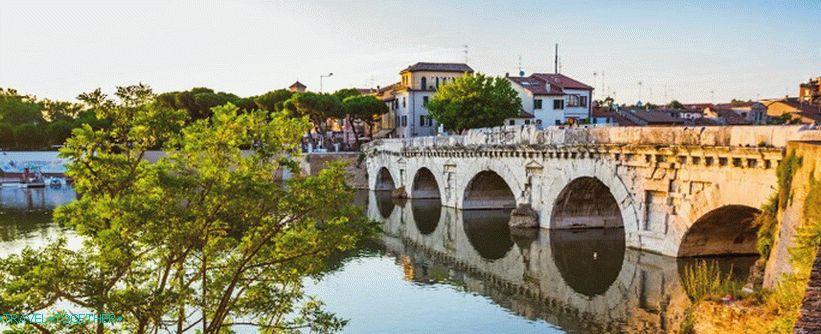
Rimini is the main resort of Emilia-Romagna, which is known for its long riviera. The city is famous for its long white beaches. sand that stretches to the north and south of the port, busy nightlife life, as well as several ancient landmarks, among which stands out the ancient arch and no less old bridge.
 Modena
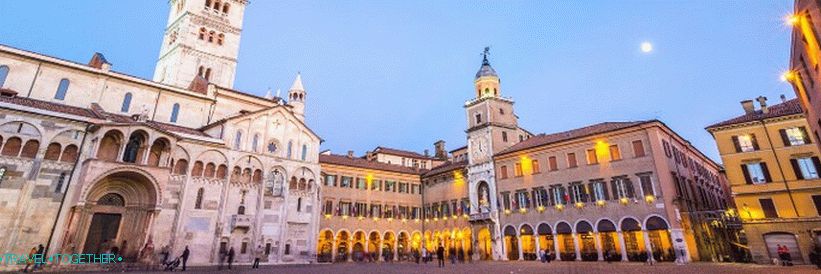
Modena is the capital of Romanesque art and an ideal point between Northern and Southern Italy. The city center is a wide arcade streets and large squares, as well as beautiful palaces and gardens, who have kept the seal of the Este family. Piazza Grande and the tower Herlandina is included in the UNESCO World Heritage List. Modena is the birthplace of Enzo Ferrari (founder of the legendary brand car) and the place where they make the best balsamic vinegar.
 Piacenza
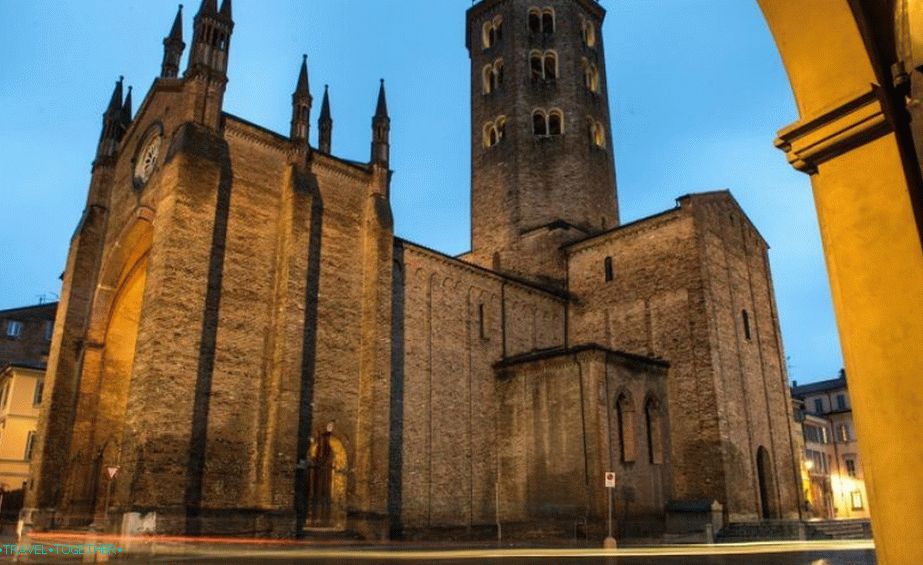
Piacenza is a quiet provincial town famous for the architecture of the Middle Ages and Renaissance, old churches, palaces and charming squares.
Story
Emilia-Romagna was settled in the Neolithic era. In the 4th century to AD the Etruscans lived on these lands, then the Celtic tribes. IN 3 century BC Emilia-Romagna was conquered by the Romans, who turned it into an outpost between Italy and Gaul. In the 2nd century BC Marcus Amelia Lepidus paved the road from modern Rimini to Piacenza, along which grew all the ancient cities of this area. AT the honor of this Roman commander and was named the region.
In the 5th century (after the fall of Rome) Western Roman was formed Empire with the capital in Ravenna. During this period, Emilia-Romagna becomes the political and economic center of the Apennine the peninsula. At the end of the 5th century, the region was conquered by the Ostrogoths, and in 6 century became part of Byzantium. In the early Middle Ages Emilia-Romagna belonged first to the Lombards, and then to the Franks. At the same time, Ravenna and Forli remained at the mercy of Eastern Roman Empire and were the center of the Byzantine possessions in the Apennines. AT Further, this historical area was named Romagna. In the 8th century part of the territory of Emilia-Romagna was transferred to the Roman papa
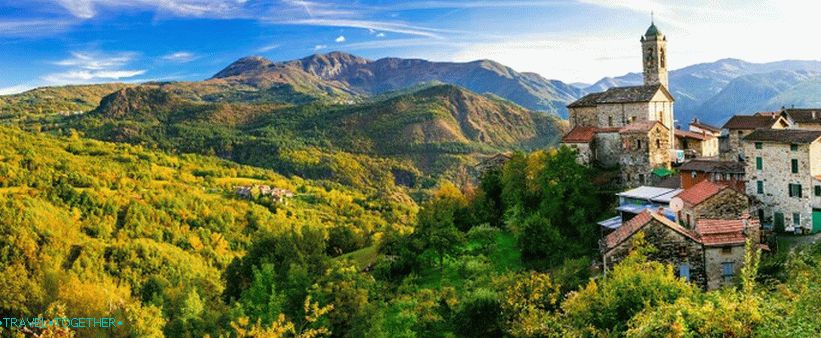 Apennine Mountains in the region of Emilia-Romagna
In the late Middle Ages, Ferrara flourished under the authority of d’Este and Modena, and under the rule of Farnese – Parma and Piacenza. With this bologna and Ravenna are part of the Papal States. In 1797 Emilia-Romagna was occupied by Napoleon’s troops and became part of Tsizalpinsky republic. In 1860, the region became part of Italy.
How to get there
Emilia-Romagna is located between Venice, Florence and Milan, so it’s easy to get here by train and bus from almost any parts of Italy as well as neighboring countries. Airports are located in Bologna, Rimini and Parma. Also to get to Emilia-Romagna You can use the air ports of Milan and Ancona.
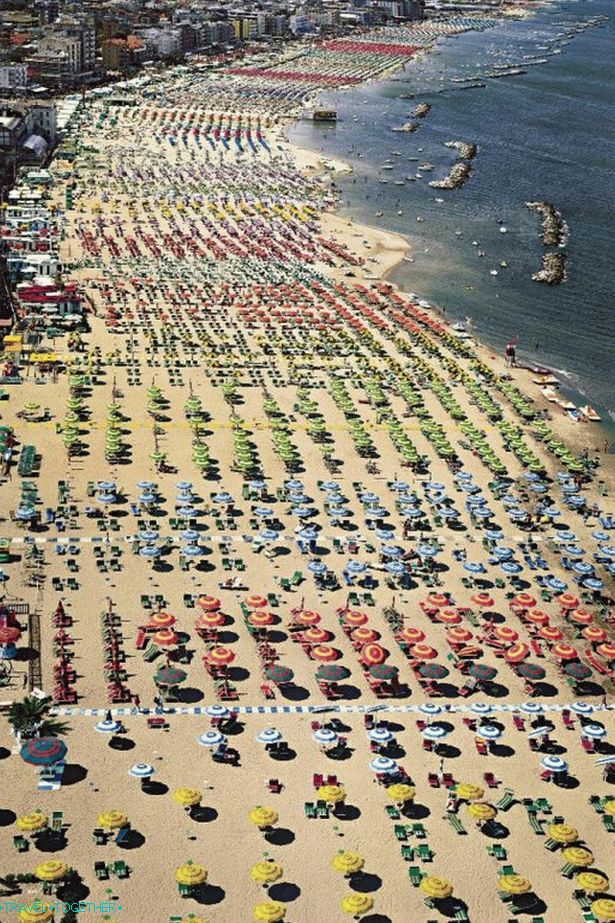 Beaches Rimini
Food and drink
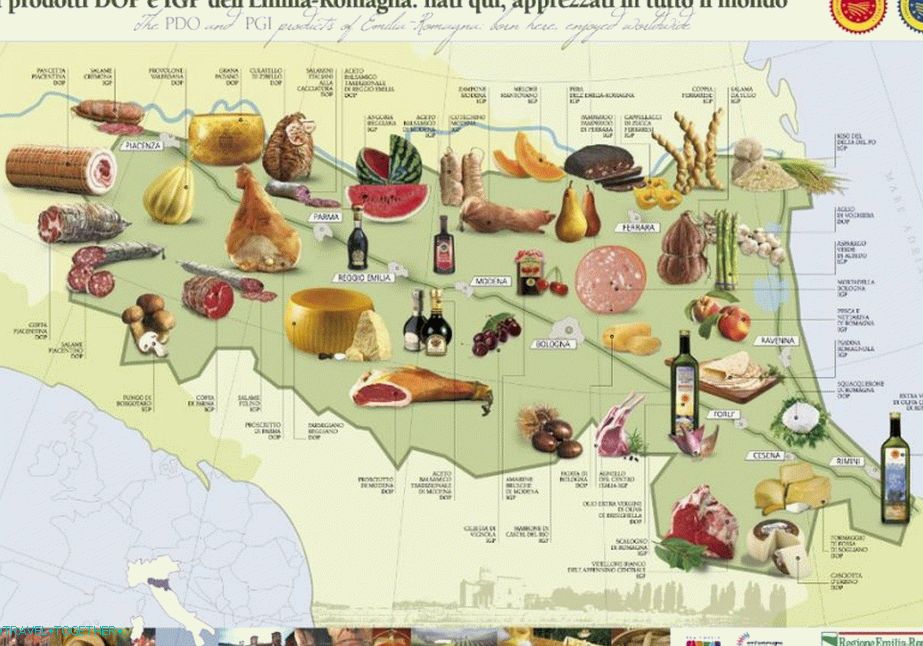 Traditional products of Emilia-Romagna
Emilia-Romagna is a great gastronomic region that has wonderful culinary traditions. This area has a whole a scattering of delicious traditional dishes: egg pasta (tagliatelle), spaghetti bolognese, tortellini (tortelli) with cheese and greens, the famous Bologna stew or Bologna sauce, and not less legendary lasagna. Also Emilia-Romagna is famous for its excellent traditional products, among which the most famous: prosciutto (especially Perm ham), hard cheeses (especially parmigiano reggiano and balsamic vinegar (aceto balsamico tradizionale)
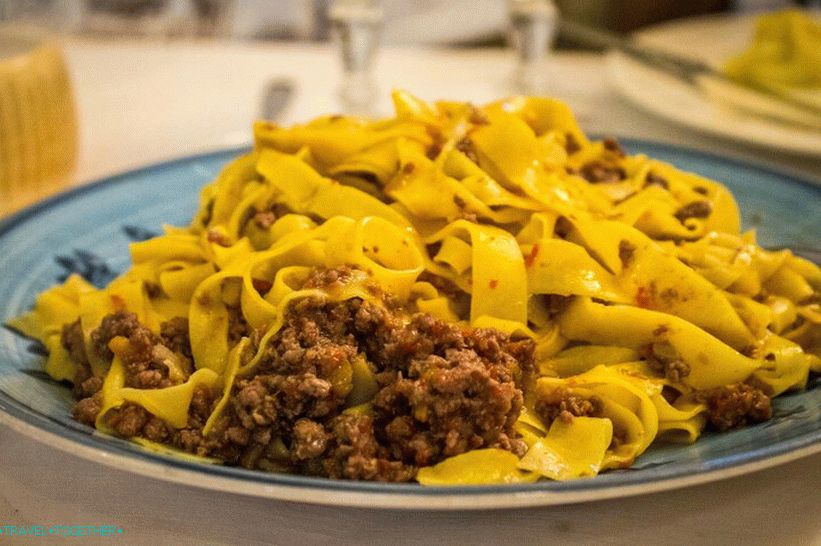 Spaghetti bolognese
Emilia-Romagna is also a famous wine region. AT Emilia need to try (or buy as a souvenir) Lambrusco or malvasia, in the vicinity of Bologna make excellent wines varieties merlot and cabernet sauvignon, and in Romagna you should definitely appreciate Sangiovese.
sights
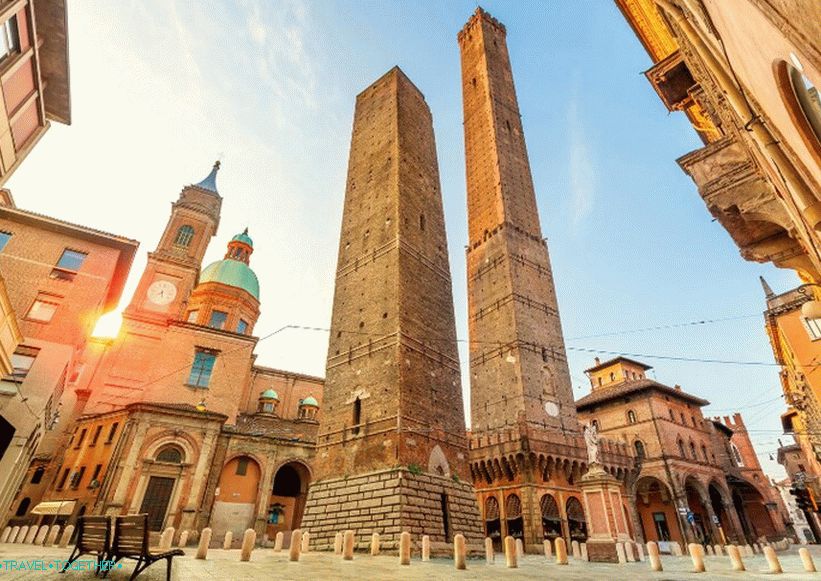 Falling Garizenda and Azinelli towers
The historic center of Bologna is famous for its medieval towers. wealthy noble families, among which stand out the tower Garizenda and Azinelli. They are built of simple bricks and are interesting because have a deviation from the axis. Azinelli Tower was built at the beginning of the 12th century. The height of the tower is 97.2 meters. To get to the top you need to overcome 498 steps. The tower is deflected from the axis by 2.2 meters. Garizenda Tower built in the 14th century. Its height is “only” 47 meters, and deviation from the axis – more than 3 meters.
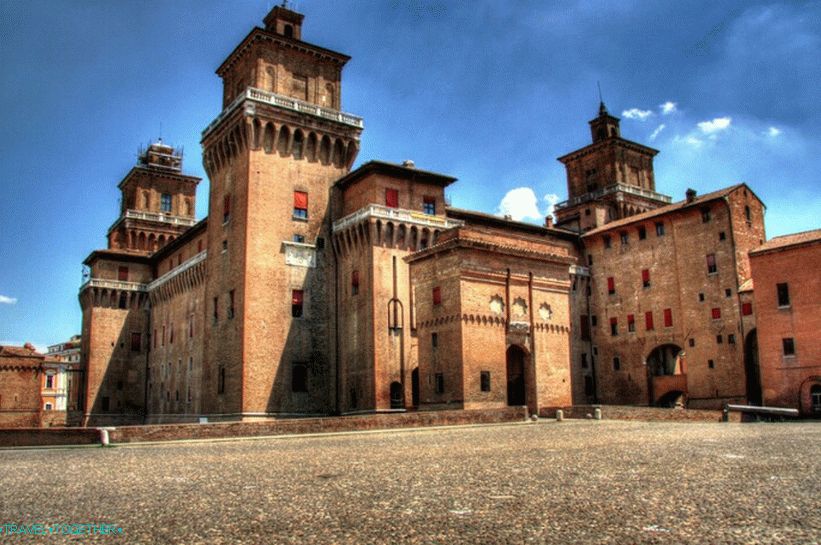 Castello Estense (Este Castle)
Castello Estense (Este Castle) – one of the main symbols Ferrara. This mighty stronghold was built in the 14th century on the site small fortress. The reason for the construction of the uprising citizens. The castle stands out for its impressive proportions, towers, drawbridges and moat.
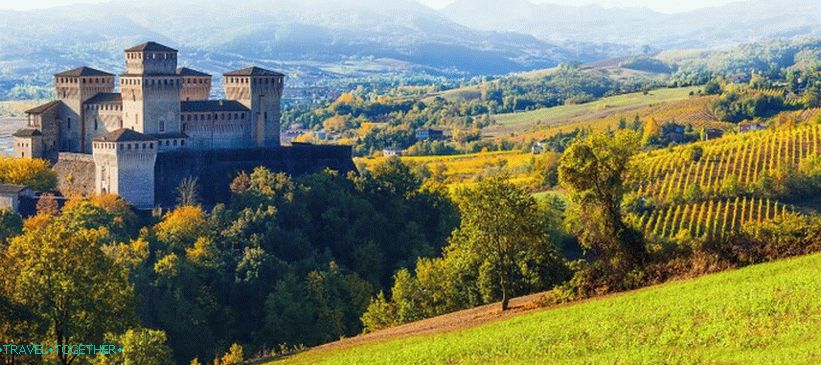 Castle Torrekyara
Torrekyara Castle – a magnificent medieval castle of the 15th century, located on top of a panoramic rocky hill on the outskirts the valleys of Parma.
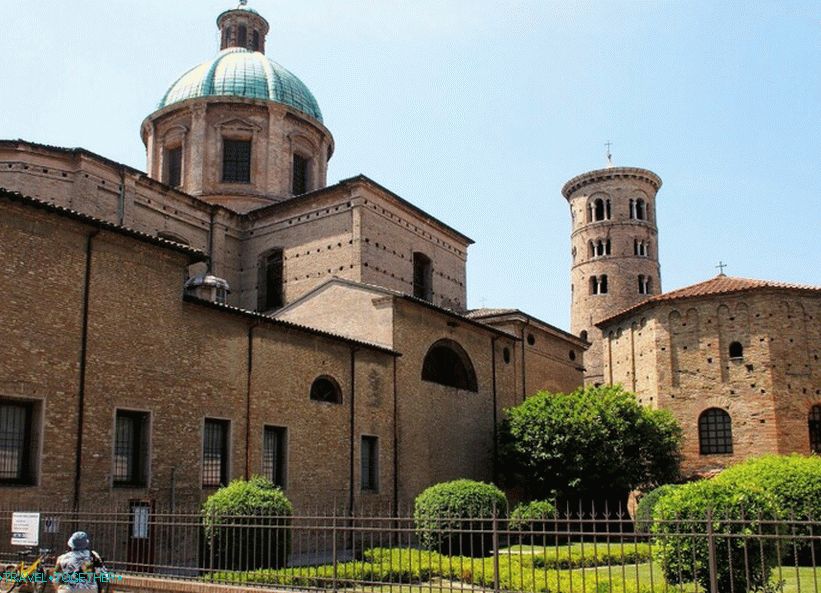 Neon Baptistery (right) in Ravenna
Ravenna’s Byzantine buildings – a unique series sights of the period of late antiquity and early Middle Ages. These ancient sacral monuments were built in 5 – 6th century AD and contain stunning mosaics.
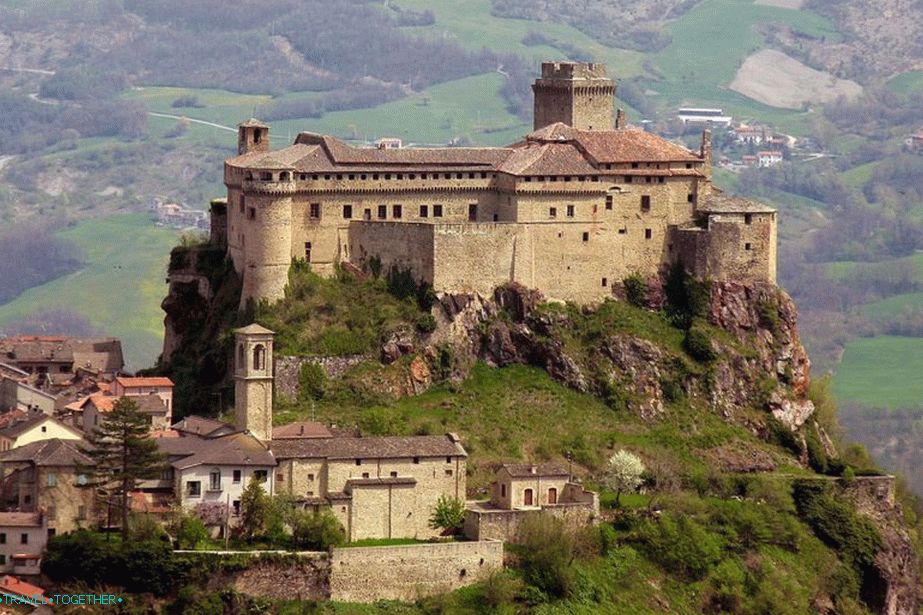 Castle Lundy
Landi Castle is a beautiful medieval castle located in the town of Bardi. It was founded in the 9th century and in the 16th century turned into princely mansion Federico Landi. In the future, the castle belonged Farnese and Bourbon.
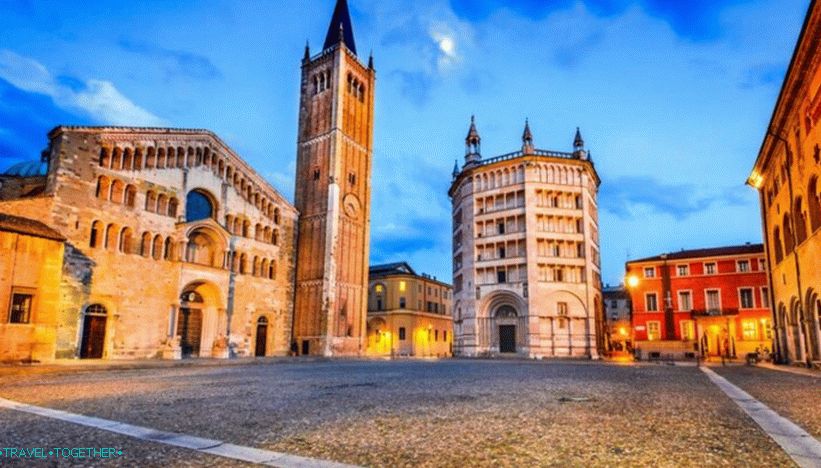 Duomo and Baptistery in Parma
Parma Cathedral – the main temple of Parma, as well as one of the best samples of Romanesque architecture in Italy. The cathedral was built at 12 century and is known for its magnificent frescoes (especially impressive the fresco of the Assumption of the Blessed Virgin Mary by Correggio, written inside the dome). The facade is a series of large decorative arches, and near the cathedral was built 63-meter-high bell tower.
Next to the cathedral is the octagonal marble baptistery, which was started in the Romanesque style at the end of the 12th century by Benedetto Andeles and finished in Gothic style almost a century later. it one of the best examples of the development of architecture from the Romanesque to Gothic. Inside you can see the colorful murals and bas-reliefs 13 century.
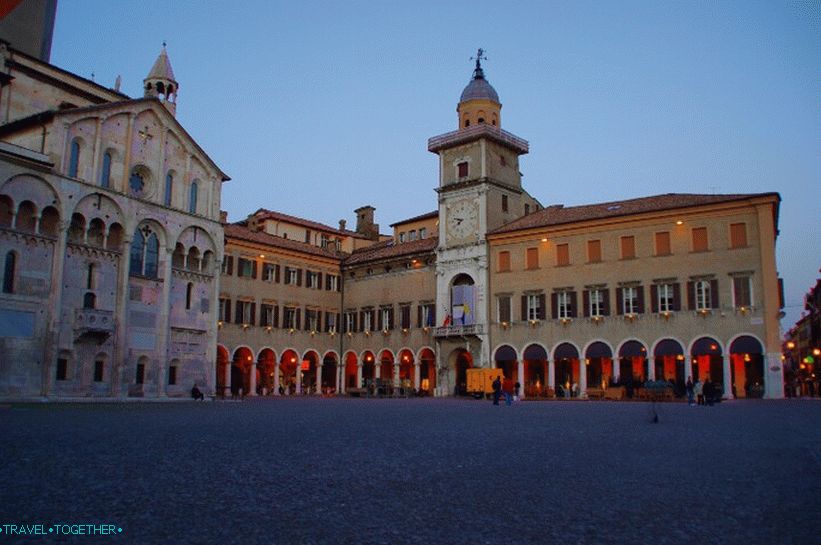 Piazza Grande in Modena
Piazza Grande or the Great Square is the heart of Modena. This area cobblestone, together in the tower of Girlandina included in the list UNESCO World Heritage sites. Here are a few magnificent sights:
- The Town Hall or Palazzo Comunale is a historic building that occupies the northern and eastern part of piazza grande. Is an the result of the restructuring of six medieval buildings.
- Ghirlandina is one of the most impressive Italian campaigns. This is a high 88-meter tower on the north side of the Duomo. Initially the tower was built for defensive purposes and decorated bas-reliefs. Top levels were added in the 13-14 century.
- The Duomo is an impressive Romanesque cathedral whose construction lasted from the end of the 11th to the 13th century. Located near the ancient Roman Emilieva road on the site of the early Christian church, where there used to be a tomb of sv. Geminiano. White marble facade the cathedral was designed by architect Lanfranco, and beautiful Sculptures are the work of Wiligelmo. Duomo of Modena is rightfully one of the best masterpieces of the Romanesque style in Europe.
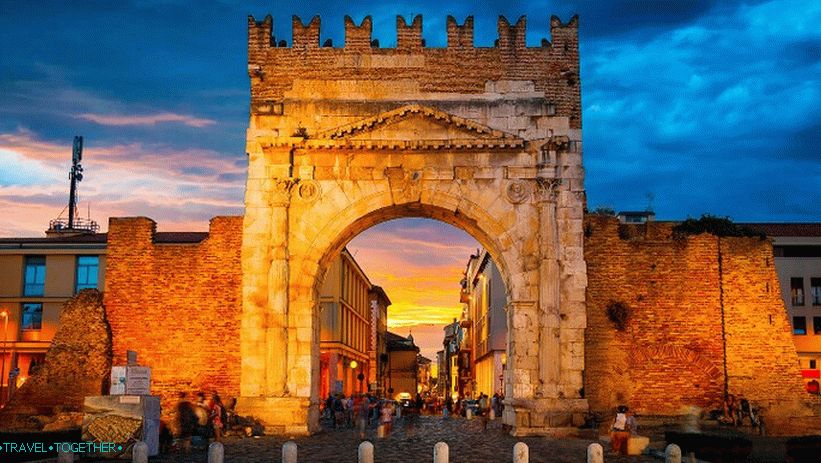 Arch Augustus in Rimini
The Arch of Augustus is one of the main attractions of Rimini and The oldest roman triumphal arch in Northern Italy. Was built in 27 BC to mark the construction the ancient road of Flaminia. Located on the southern tip of Corso di Augusto – the main street of the city. The arch is unusual in that it was not adapted to the gate, thus symbolizing the newly achieved peace after a long period of wars.