Dijon (France) – the most detailed information about the city with photos. The main attractions of Dijon with a description, guides and cards.
Contents
City of Dijon (France)
Dijon is a city in eastern France and the capital of the historical region. Burgundy. Located in the Côte d’Or department, southeast of Paris between the valleys of the rivers Saone and Rhone. Dijon – one of the most beautiful cities of France, which in the Middle Ages was the capital powerful duchy. The Dukes of Burgundy were patrons arts, so the city was a major center of gothic and early renaissance music, painting and sculpture, attracting the greatest artists and musicians of the time. Also Dijon is known for its gastronomy (first of all – mustard) and wines.
- Geography and climate
- Practical information
- Story
- sights
- Video
- Maps and guides
- Comments and reviews
Geography and climate
Dijon is located on the hilly plain of the Côte d’Or region Burgundy. The city is located at the confluence of the river Suzon in the Ush in 310 km from Paris. The climate is temperate sea with warm summer and in the cool winter.
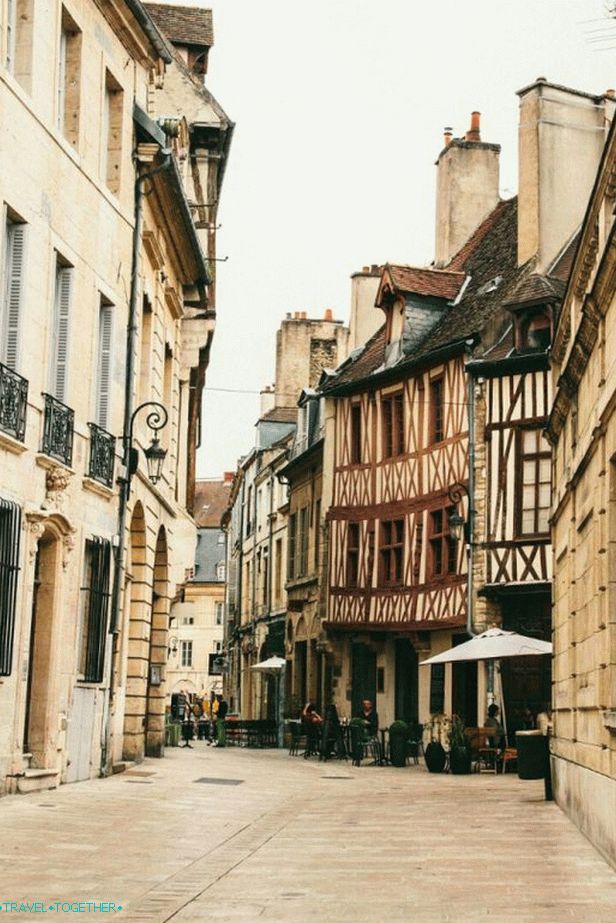 Dijon streets
Practical information
- The population is more than 150 thousand people.
- The area is 40.41 km2.
- The language is French.
- Currency – Euro.
- Visa – Schengen.
- Time – Central European UTC +1, in summer +2.
- Dijon has excellent transport links to several major French cities (in particular, Paris and Lyon), as well as Switzerland, Belgium, Italy (Milan, Florence, Rome and Turin). Of Charles de Gaulle airport in Dijon ply high-speed trains.
- Owl (la chouette) – the main symbol of Dijon. Owl figurine 16 century carved on the facade of the cathedral. Also familiar with this the bird marked the main tourist routes.
- Rue de la Liberté is the main shopping street of Dijon. She is extends east of the ducal palace. Here you can buy a real Dijon mustard (Maille).
- The capital of Burgundy is famous for its excellent cuisine. Interesting that Some dishes, which many consider American, originated it is in this historical region. Traditional delicacies: Jambon persille (meatloaf) and Pain d’epices (gingerbread). Also burgundy famous for its excellent wines and liqueurs.
Story
Dijon, located in a strategic location between the valleys of the Rhone and Sona, was important in Antiquity. Already in the roman period the city was surrounded by high and thick walls. After decay Roman Empire settlement was occupied by the Burgundians. After some At the time, these territories were subordinated to the Franks. In 737, Dijon was captured and destroyed by the Saracens, and at the end of the 9th century – by the Normans. At the beginning of the 11th century, King Robert of the Capetian dynasty captured the city and the whole of Burgundy. In 1137 a strong fire was practically completely destroyed the old settlement. In 1183 Dijon received city rights.
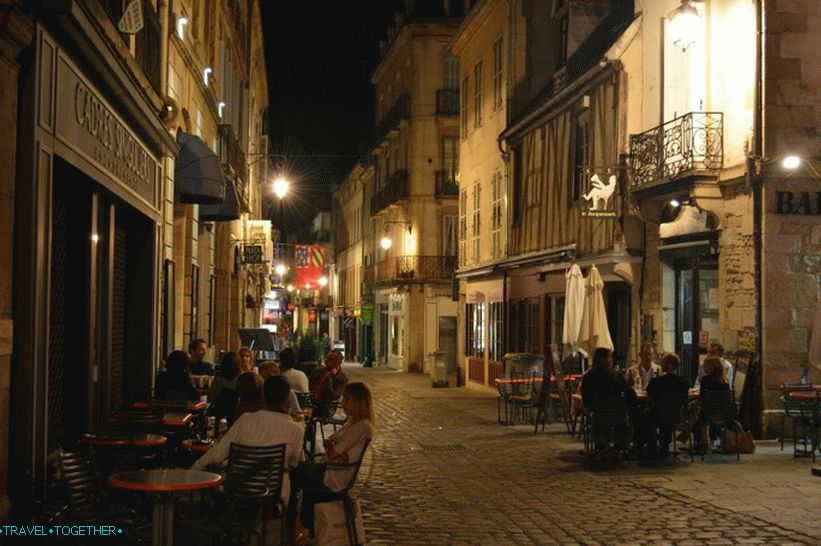 Evening in Dijon
The prosperity of Dijon began after the transfer of the capital here Burgundy. The city turns into one of the most important and largest cities of france. The highest flowering of Dijon falls on the 15th century and the reign of the dukes of Valois dynasty. It was then in the city Worked outstanding masters of Gothic and Renaissance. And Dijon himself was considered one of the European centers of science, culture and art. At the end of the 15th century, Burgundy became part of the French kingdom. AT 1513 the city was besieged by the troops of the Holy Roman Empire, but was never taken.
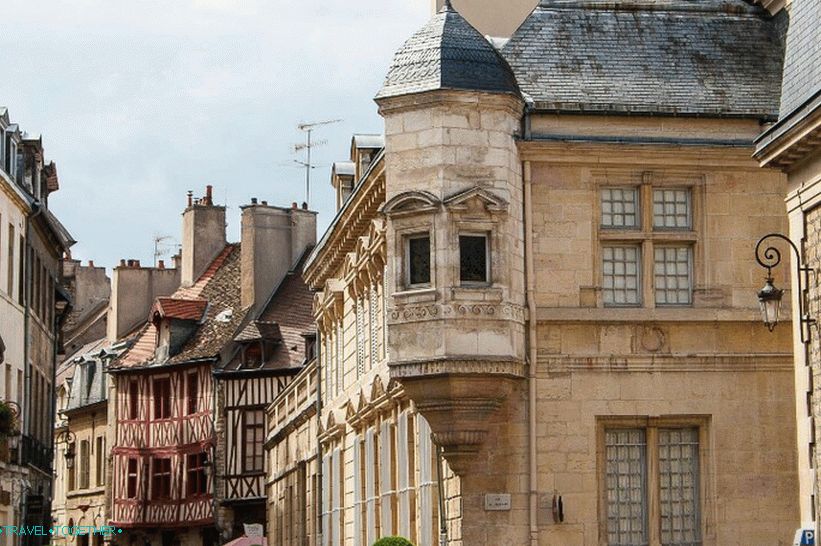 Dijon architecture
During the Franco-Prussian 1870, the city was besieged by the Germans. Dijon was also occupied by German troops during the Second world war.
sights
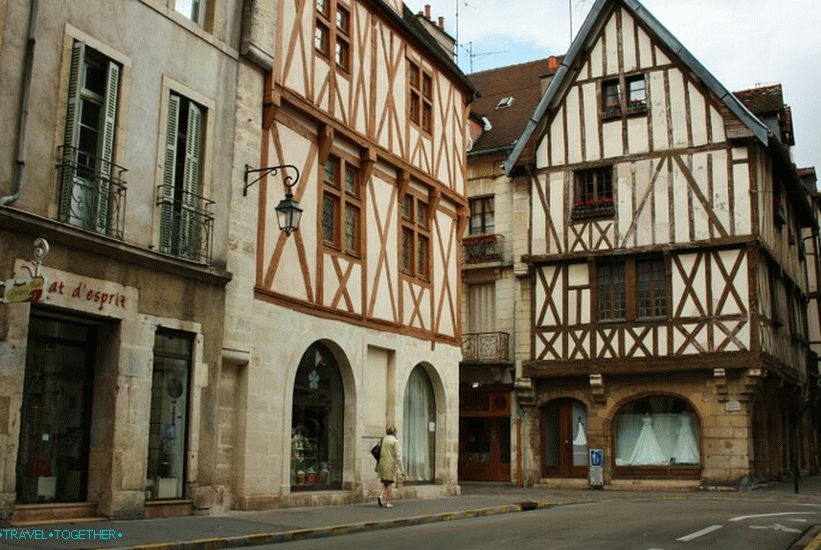 Old city
The old town of Dijon is included in the list of World heritage and famous for its magnificent late architecture Middle Ages and Renaissance. In the historical center There are many original old streets with wonderful historical atmosphere and half-timbered houses, as well as a number of ancient churches.
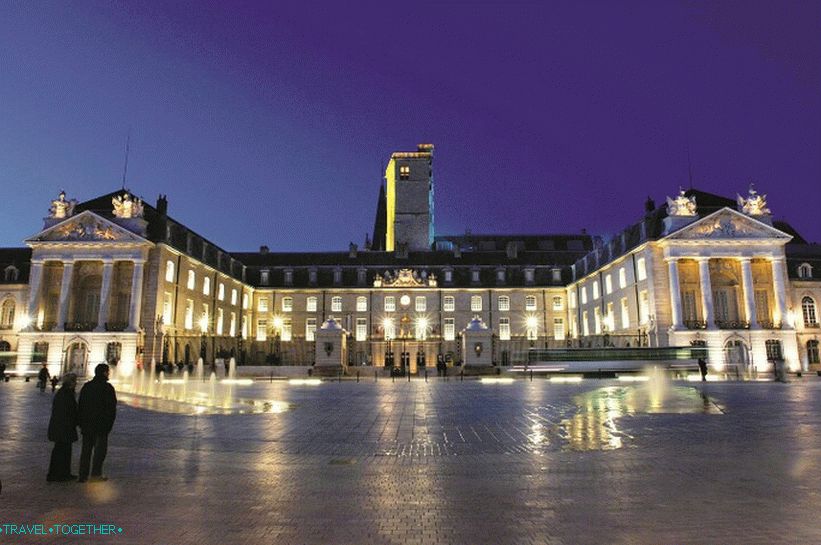 Ducal Palace
The Ducal Palace is considered the main attraction Dijon Its origins go back to a small fortress of the 3rd century, built to protect against the invasion of the barbarians. In the 14th and 15th centuries the palace was significantly rebuilt. The oldest surviving parts of the building (Tour de Bar) refers to this period. The last significant restructuring dates back to the 17th century, when the palace acquired baroque features. Former residence of the dukes of Burgundy famous for its incredibly rich collection of works of art.
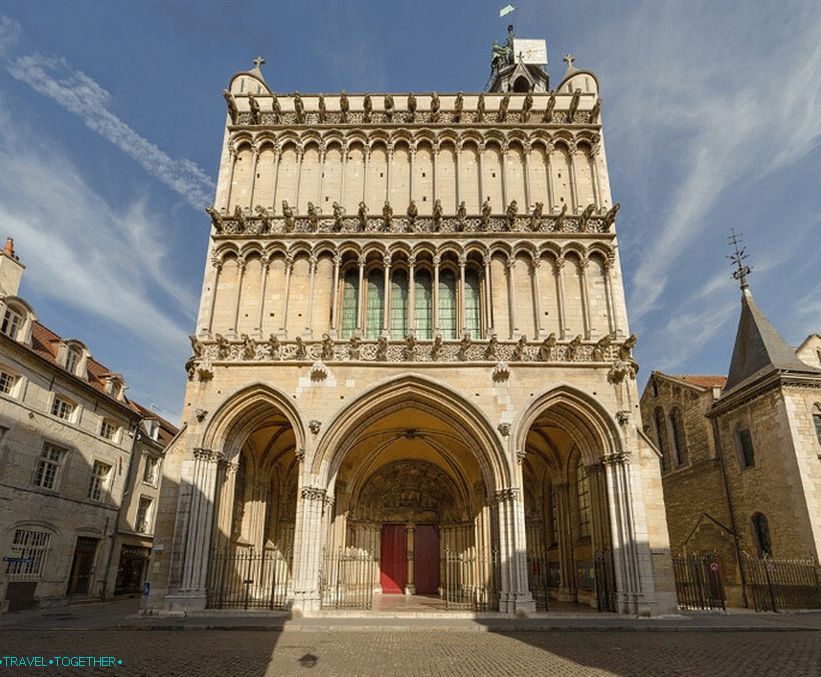 Notre Dame
Notre Dame – medieval church of the 13th century and magnificent masterpiece of burgundy gothic style. This is a religious building. has a wonderful facade, decorated with a triple row of grotesque gargoyles On the tower of the 14th century, unique astronomical clock. The church has a strict Gothic interior. Also here is stored the precious “black Virgin” of the 11th century – one of the oldest wooden medieval sculptures that survived to our days.
East of the church are beautiful old mansions.
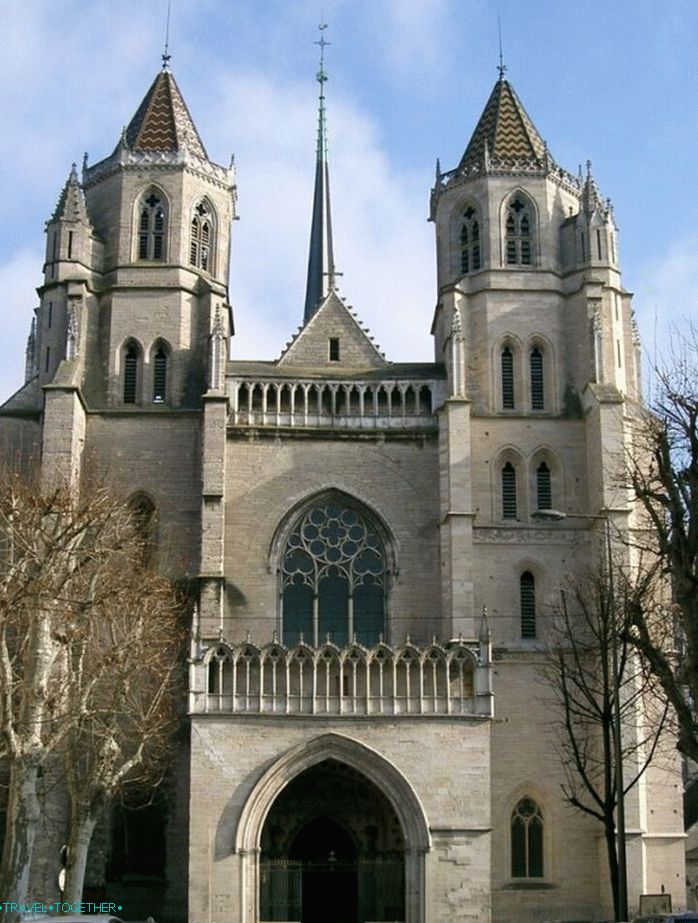 Cathedral Saint benin
Cathedral Saint-Benin – a monumental example of Burgundy gothic architecture. The church was built between 1280 and 1314 over the years on the site of an ancient Benedictine abbey. The cathedral has superb gothic structure and includes romance doorway and pre-Romanesque capitals from the earlier church. Also here preserved the original Romanesque crypt with excellent a collection of roman and medieval antiquities.
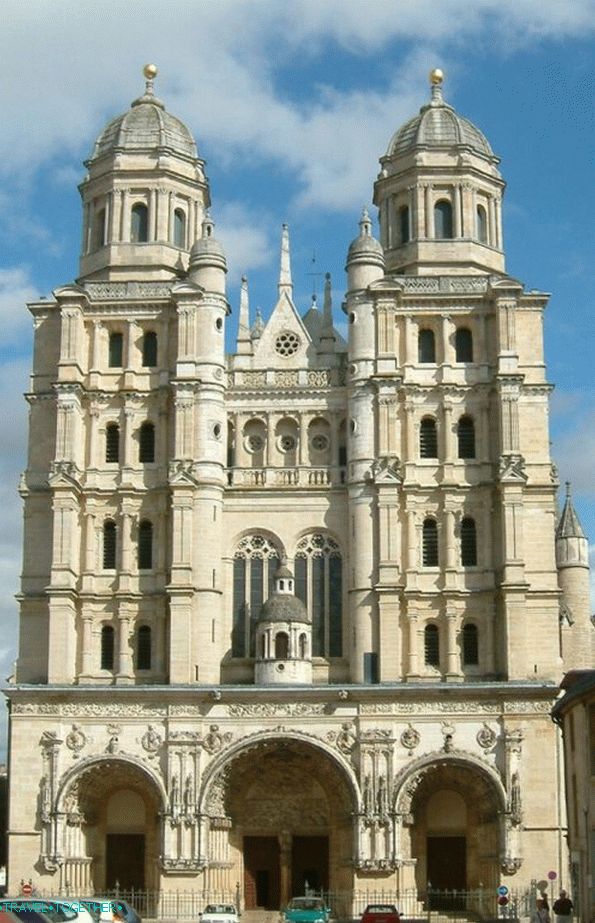 Saint Michel
Saint-Michel is another impressive masterpiece of bright architecture Gothic with wonderful carved portals (doorways). The church was founded at the end of the 15th century on the site of an earlier Christian religious buildings. The building was built pretty a long time, so in its structure, you can see features of the Renaissance architecture.
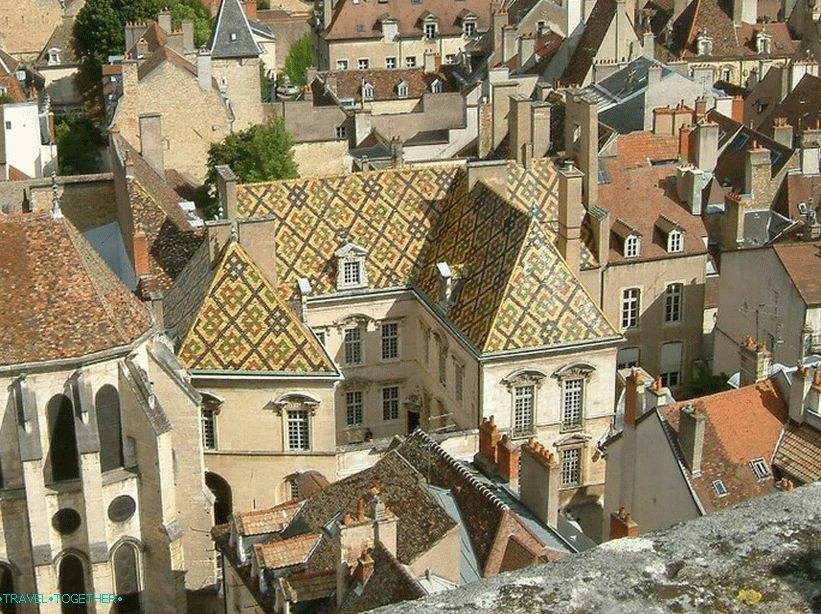 de Vogüé
de Vogüé is one of the most valuable historical buildings in Dijon and an example of Renaissance architecture. Interesting feature buildings – tiled roof, decorated with bright geometric patterns.
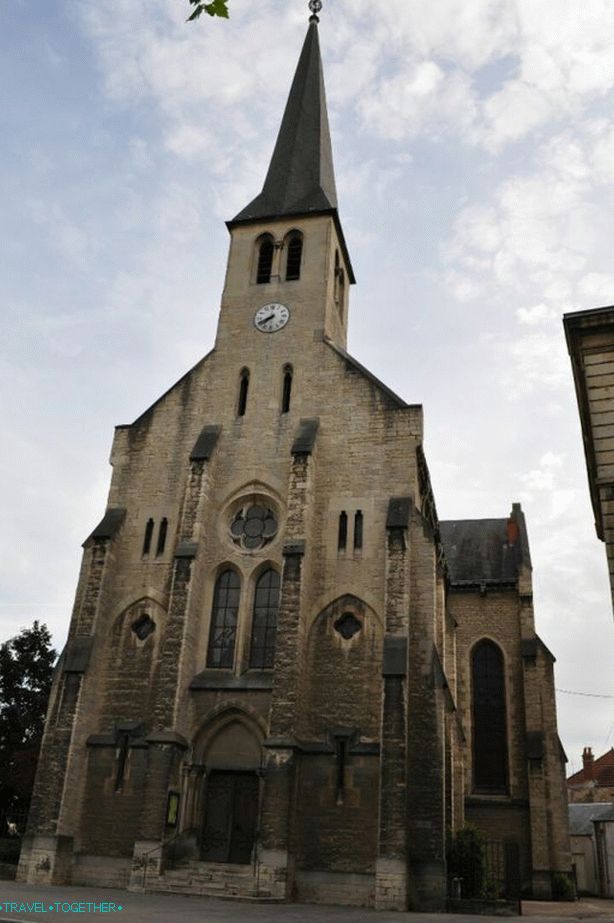 Church of Saint Pierre
Saint Pierre – 19th century church in the style of the Gothic Renaissance, located on the edge of the old town. Was built on site 12th century medieval church destroyed during the French revolution.
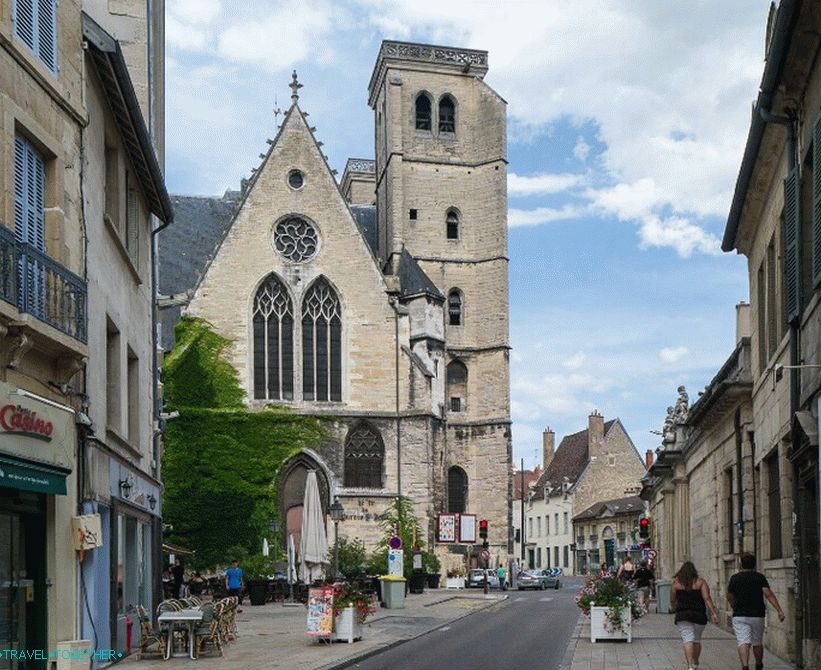 Church Saint Jean
The former church of Saint-Jean is one of the oldest religious buildings of the city. This beautiful gothic church was founded in 15 century and significantly damaged during the French Revolution. Now this building is a drama theater.
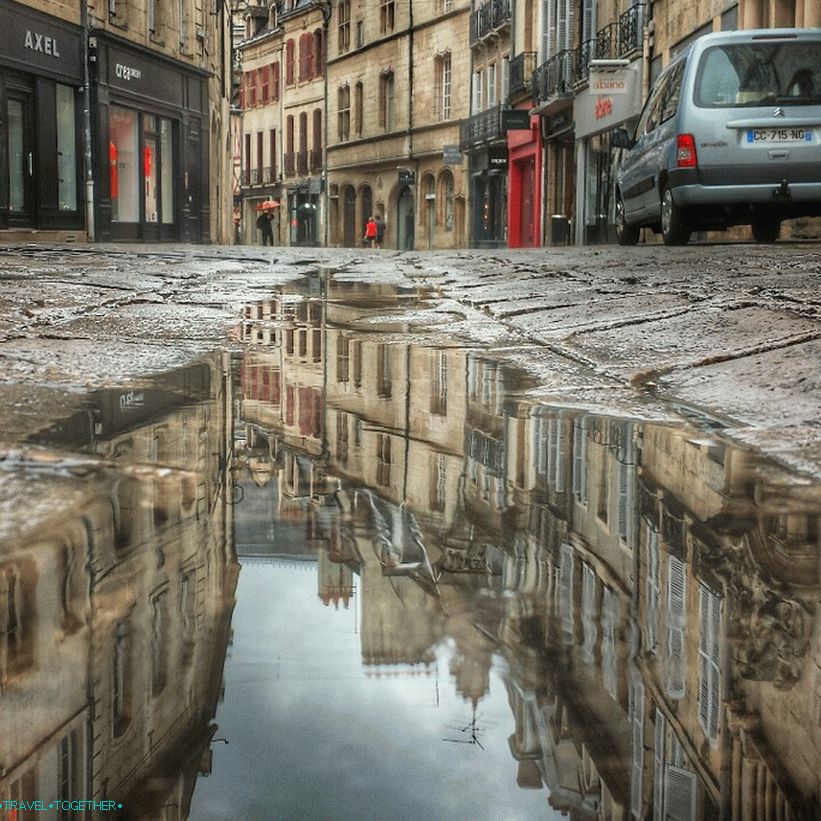 Rue des Forges
Rue des Forges is one of the main streets of old Dijon, which is famous for its shops and beautiful antique architecture.
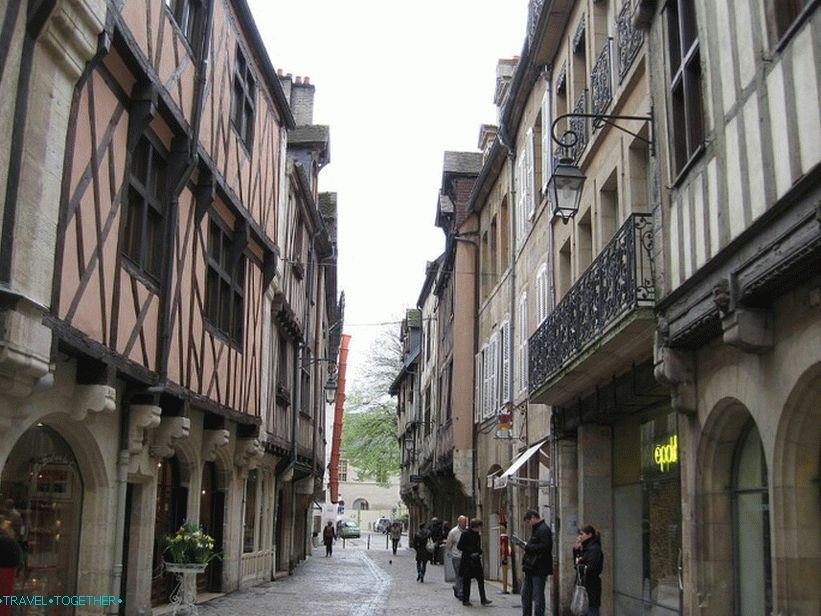 Rue de laVerrerie
Rue de la Verrerie – a charming narrow street with half-timbered houses.
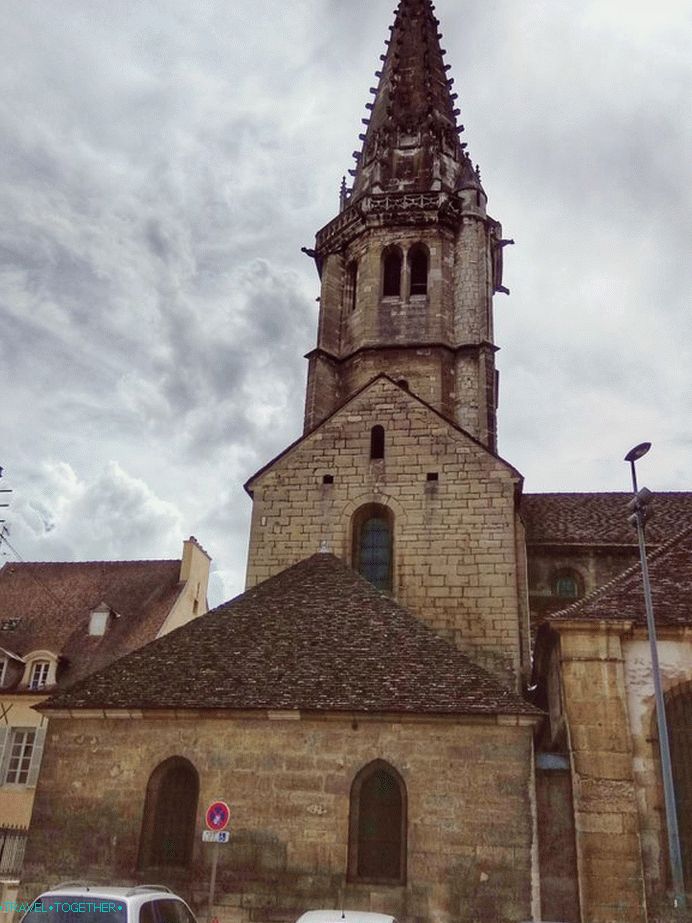 Church of St. Philibert
Church of St. Philibert is an ancient Romanesque church of the 12th century. The building has not been used for many years, but since 2016 it has been open again to the public.
Video
Maps and guides
Tourist Card