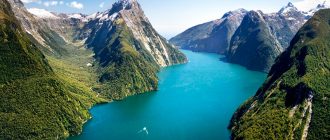
Denmark – the most detailed information about the country with a photo. Landmarks, cities in Denmark, climate, geography, population and culture
Contents
- 1 Denmark – Kongeriget Danmark
- 2 Useful information about Denmark
- 3 Geography and nature
- 4 Climate
- 5 Best time to visit
- 6 Story
- 7 Administrative division
- 8 Population
- 9 Transport
- 10 Cities of Denmark and popular destinations
- 11 Denmark Attractions
- 12 Accommodation
- 13 Kitchen
- 14 Video
- 15 Denmark on the map
Denmark – Kongeriget Danmark
Denmark is a state in northern Europe, located on a large parts on the Jutland peninsula. This is the southernmost country of Scandinavia which is washed by the North and Baltic seas and borders the south with Germany, northeast separated by the Kattegat and Öresund Straits from Sweden, in the north – Skagerrak Strait from Norway. Denmark is a member of the commonwealth of the same kingdom, which also includes the Faroe Islands and the island of Greenland. The state is a constitutional monarchy and a member European Union.
Denmark is one of the leading countries in Northern Europe with an interesting history, rich culture and wonderful architecture. She is known for Viking heritage, beautiful beaches, beautiful fabulous castles, dense forests, a comfortable temperate climate and friendly citizens. Denmark is one of the most progressive and developed countries of Europe, the birthplace of LEGO, the famous storyteller Hans Christian Andersen and the legislator of many trends in architecture and design. This is one of the cleanest and most beautiful countries in Europe, which often considered one of the standards of modern civilization.
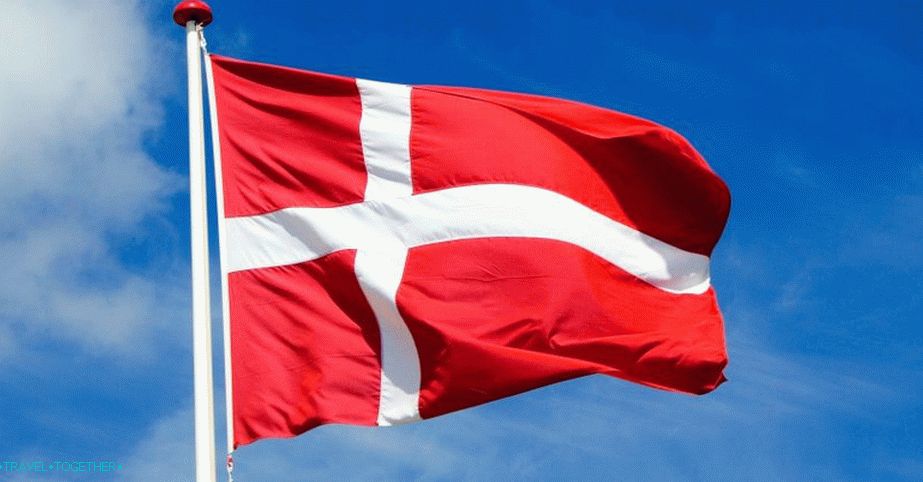 Flag of Denmark
- Useful information
- Geography and nature
- Climate
- Best time to visit
- Story
- Administrative division
- Population
- Transport
- Cities of Denmark
- sights
- Accommodation
- Kitchen
Useful information about Denmark
- The population is 5.7 million people.
- The language is Danish.
- The area is 43,094 km2.
- Currency – Danish Krone.
- Time – UTC +1, summer +2.
- Visa – Schengen.
- The capital is Copenhagen.
- Tips in Denmark are automatically included in the bill. therefore no need to leave anything extra.
- Popular purchases: LEGO, glasses and watches, silver and jewelry, ECCO shoes, Danish cheese and other traditional products.
- On Danish beaches, be careful during high tides and not walk away from the coast.
- Denmark is one of the most expensive countries in Europe. Average hotel price for two – about 80 – 100 euros. Dinner for two persons – 50 – 70 Euro.
- Car traffic is right hand.
Geography and nature
Denmark is located on the Jutland peninsula and many islands Danish archipelago: Funen, Zeeland, Falster, Lolland, Bornholm and The Kingdom also includes the Faroe Islands and the island. Greenland. Denmark is located southwest of the Scandinavian Peninsula and is separated from Sweden and Norway by straits.
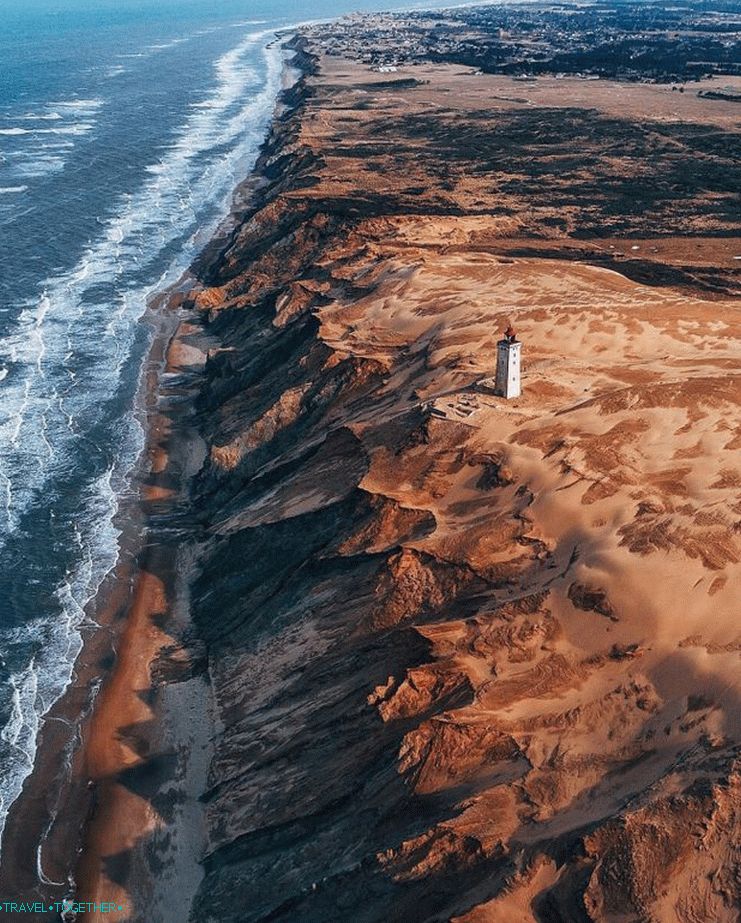 Coast North Sea
In terms of topography, Denmark is a country of plains and lowlands. Most The highest point of the country is the Iding Skovkhoy hill (173 m). West Jutland occupy moraine plains and sandy beaches. North and the eastern part is a hilly plain with small rivers and lakes of glacial origin.
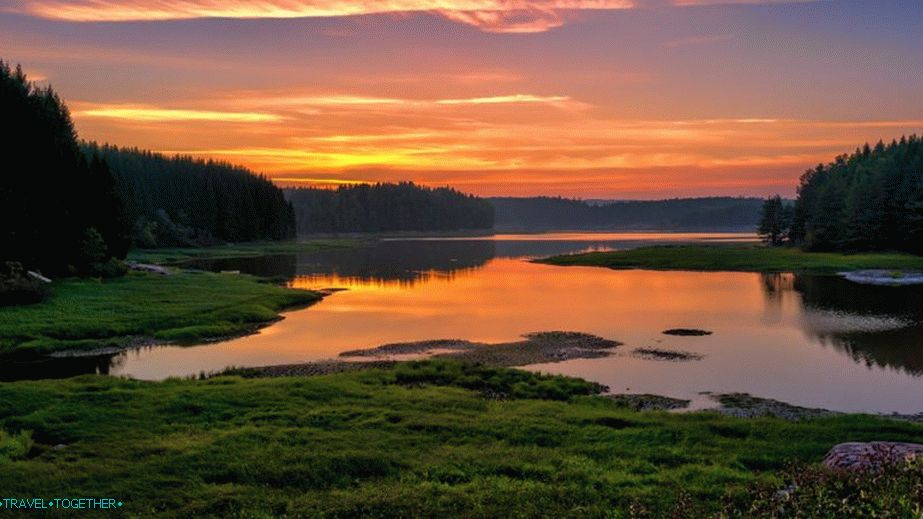 Danish nature
Despite the fact that the nature of Denmark was greatly influenced by human economic activities and agricultural land occupy most of the territory, the Danish landscapes are pretty are picturesque. Forests occupy only 13% of the area and are represented broad-leaved tree species mixed with pine and spruce. AT In the forests of Denmark, roe deer and red deer have been preserved. On the coast The North Sea can be found Baltic seals and seals.
Climate
The climate of Denmark is temperate maritime. Winter is quite mild with unstable snow cover and small frosts. Average the temperature of the coldest month is from 0 ° C to -1 ° C. Summer cool with an average temperature of 15 to 20 ° C.
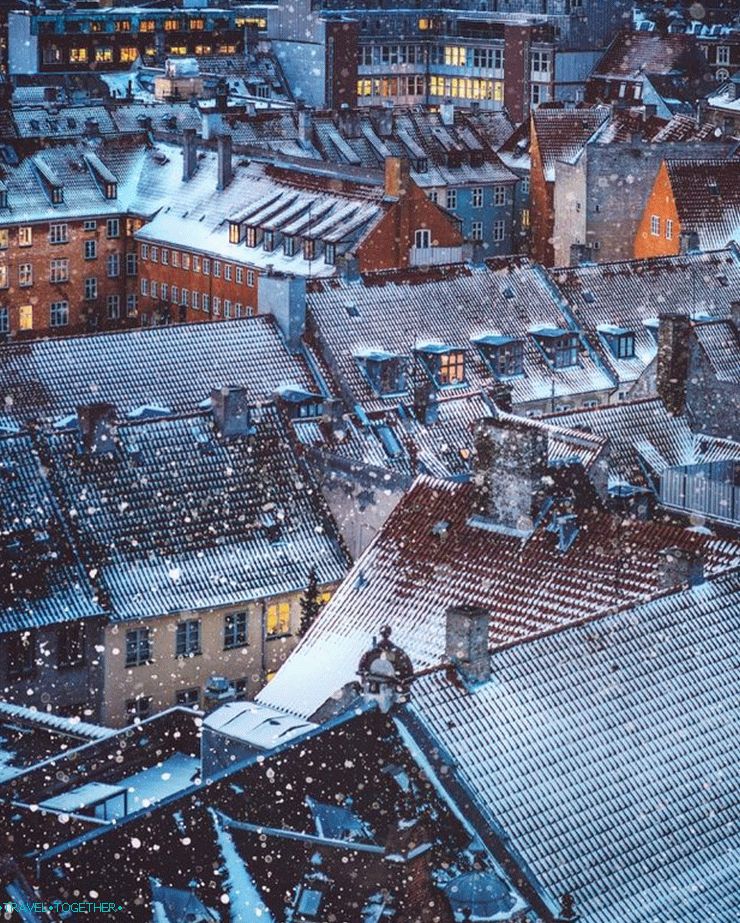 Winter in Copenhagen
Best time to visit
The best time to visit the country is late spring, summer and early autumn, when it is warm and relatively little rain. In the off season and in winter Denmark is pretty cool and windy.
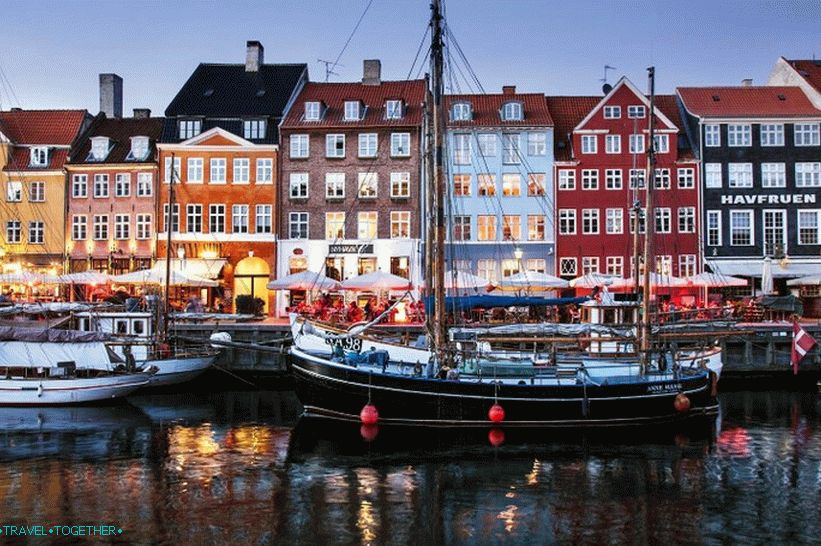 Copenhagen
Story
The first human settlements on the territory of modern Denmark date from the Upper Paleolithic. In the first millennium before our Era lived here tribes of Cimbri and Teutons. In the 4th century AD in danish the lands came the tribes of Utes and Angles. During the Great Migration peoples, they eventually occupied the UK, and they were replaced by Dan tribes. The first mentions of danes are dated 7 – 8 a century. In the early Middle Ages, they were united into generic unions led by the king.
In the Viking Age, the Dans actively participated in campaigns on Britain and France created settlements in Greenland, Iceland and even in North America. Danish kings fought with Charlemagne and even captured Paris. Christianization began in the 9th – 10th centuries. Of Denmark. At the beginning of the 12th century, in Scandinavia, the first archdiocese By 1028, Knud the Great united under his the power of Denmark, Norway and England. However, this state fell apart immediately after his death and before the 12th century, a series began in the country civil strife.
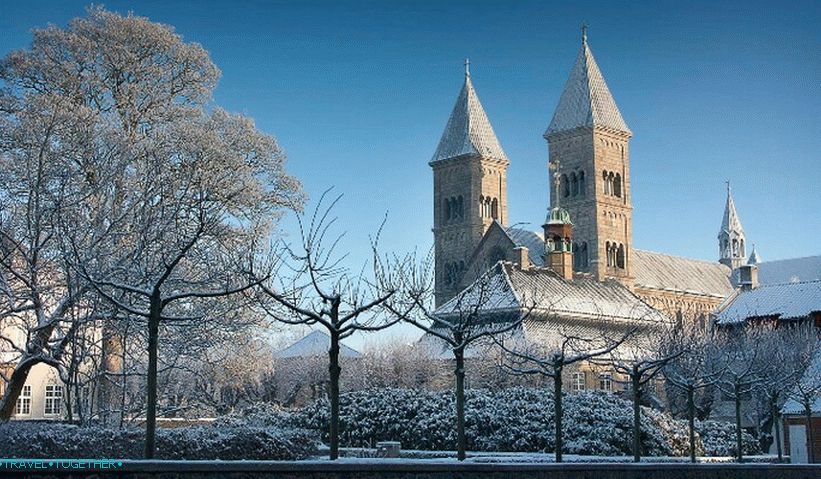 City Viborg
The period of strife was completed in 1157 by King Waldemar I Great. He and his descendants greatly expanded the boundaries of the Danish kingdom, having conquered Pomerania, Mecklenburg and Holstein. In the 14th century as a result of dynastic marriages, almost all of Scandinavia was under the power of the Danes. In the 14th and 16th centuries, power in Denmark belonged the royal council (rigsrod) who elected the king. Since 1468 The Rigsdag began to convene (a meeting of representatives of various estates), which had few real powers.
In 1536 the Reformation was formalized and Denmark became Lutheran. In 1563, the war began against Sweden, which became the first of a series of military conflicts between the two countries. AT 17th century Denmark became an absolute monarchy and one of the leading powers Europe. In 1788 serfdom was finally abolished. AT during the Napoleonic wars, Denmark acted on the side of France. In 1813 – 1814 years, the Danish army was defeated by Swedish troops. AT As a result, the country lost Norway and lost its status as a powerful European powers. In the 19th century during the wars with Prussia Denmark lost Schleswig and Holstein.
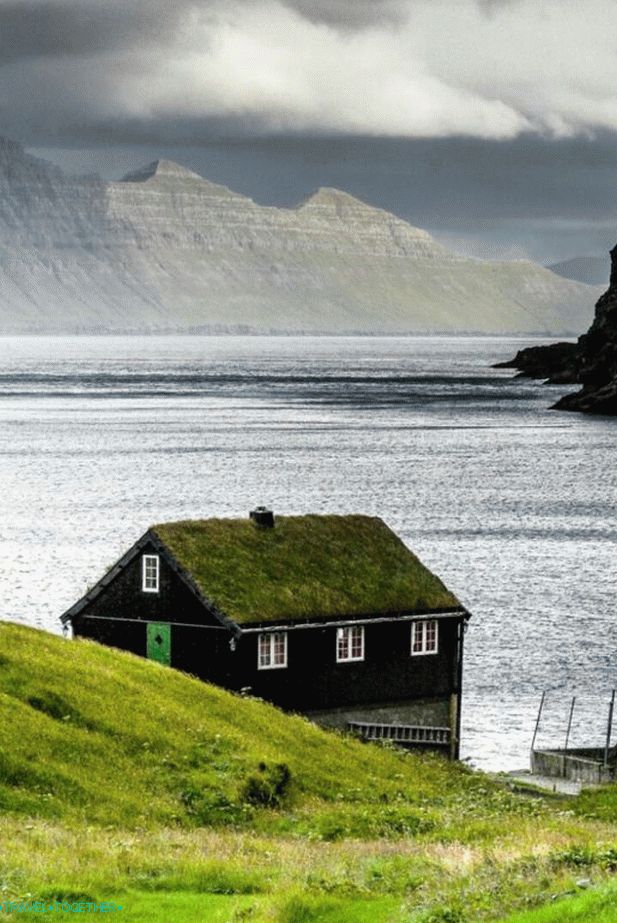 Faroe islands
In the late 19th and early 20th centuries, socio-economic transformations that significantly improved the life of the Danes. In foreign policy, Denmark adhered to neutrality. In 1939, the Danish government concluded an agreement on non-aggression with Germany, but in April 1940 the Germans were the country all equally occupied. Denmark was liberated in 1945 by the British. The state has been a member of the EU since 1973.
Administrative division
Denmark is divided into five areas: Hovedstaden, Zeeland, North Jutland, Central Jutland and South Denmark. Areas in turn, are divided into cities and communes.
The Faroe Islands and Greenland are autonomous regions, although part of the kingdom of Denmark.
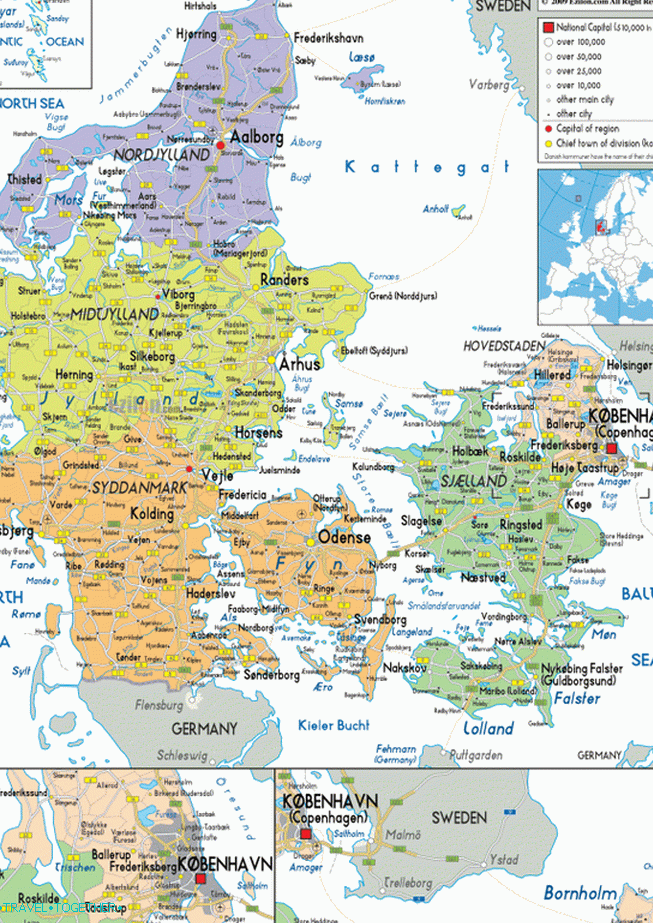 Administrative division
Population
Most of the population of Denmark are ethnic Danes. Large Diasporas: Germans, Friezes, Faroese. The official language of the state is Danish, which belongs to the North German branch of the group Indo-European languages. Danish is quite similar to Norwegian and Swedish but has excellent pronunciation. Many Danes speak excellent English and German.
The Danes themselves are polite, punctual and modest. It is accepted here immediately after meeting to call each other by name and some ease of communication. Also the Danes are law-abiding, have high sense of social responsibility and appreciate comfort. At the same time they are not taken polite treatment and they often omit “please”, “thank you”, “sorry”. But this does not mean that they are you. do not respect.
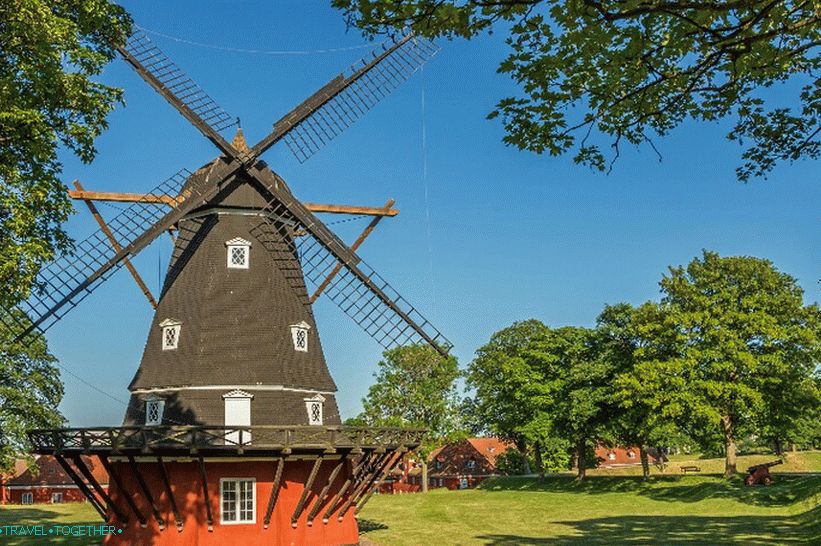 Danish landscapes
Transport
The largest airport of Denmark and Scandinavia is located in Copenhagen. It is located 8 km from the state capital and is connected with her by train. The country’s second largest airport is Billund, located in Central Jutland. Other large international The airports are located in Aalborg and Aarhus.
Denmark has rail links to Germany and Sweden (Hamburg, Stockholm, Malmo, Gothenburg). Easy to get here cars on the autobahns of Germany or from Sweden across the strait bridge Eresund. Denmark also has a regular ferry service. some cities in northern Germany and other Scandinavian countries.
Cities of Denmark and popular destinations
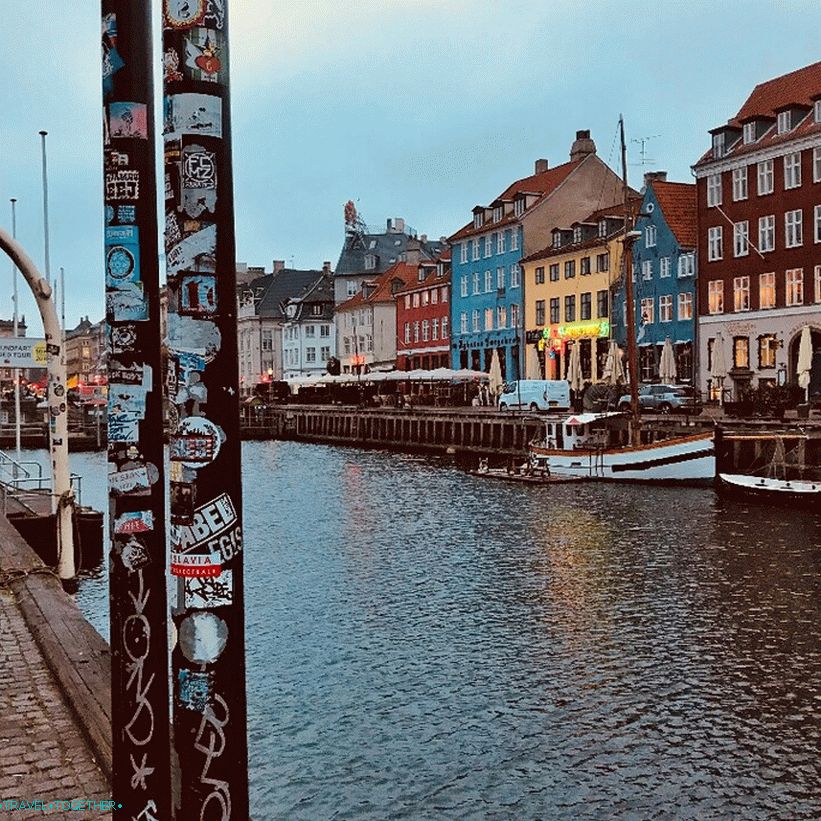 Copenhagen – the capital of Denmark and one of the most beautiful cities in Europe
Popular cities in Denmark:
- Copenhagen – the capital of the Danish kingdom and the largest city country. Known for its historic center dotted with church spiers, historic buildings, narrow alleys and excellent shopping. It was once a small fishing village now is a modern metropolis with a cozy atmosphere, rich cultural and nightlife.
- Aarhus is the largest city on the Jutland peninsula and the second largest Denmark’s largest city that offers an elegant combination the friendly atmosphere and charm of a small town with beautiful pubs, restaurants and romantic places.
- Aalborg is a picturesque city in Northern Jutland.
- Helsingør (Elsinore) is a beautiful city in the northeast Islands of Zealand with a picturesque historic center. Known in first of all, the impressive castle Kromborg, in which there is action of the famous Shakespeare’s “Hamlet”.
- Esbjerg – a city on the west coast of Jutland, the center fishing and offshore industry.
- Ribe is the oldest city in Denmark, located in its southwest parts. Known for well-preserved medieval center.
- Herning is a small town located on beautiful beaches. west coast of Jutland.
- Kalundborg – an ancient city with medieval brick houses, the ruins of two ancient castles and the magnificent church of the Virgin Mary’s
- Odense – the main city of the island of Funen and the third largest city Denmark, as well as the birthplace of H. K. Andersen.
- Roskilde is the old capital of Denmark, located in the eastern parts of zealand. Here is the largest Christian cathedral in the country and the famous Viking Museum.
- Silkeborg – the main city of the lake region, which many Danes consider the most beautiful city of the kingdom.
- Skagen is one of the most famous resorts in Scandinavia known for its yellow houses and special “light”, which attracts many artists.
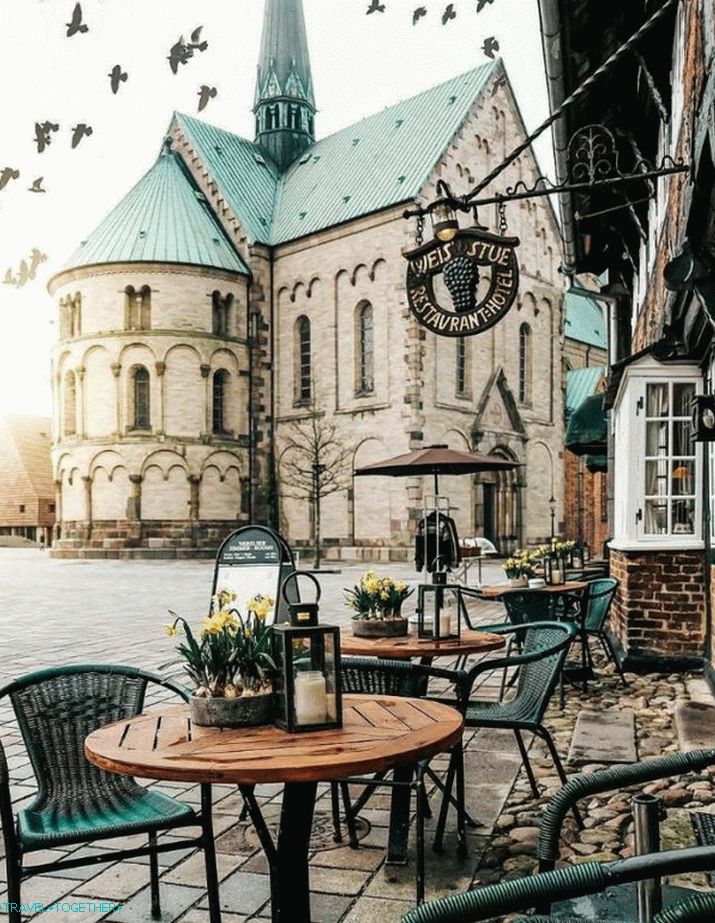 Ribe City
Popular destinations:
- Anholt – an island in the Kattegat with one of the largest seal populations in Scandinavia.
- Ertholmen – a group of islands with a bird reserve and the old defensive structures.
- Fanoe is an island in the North Sea with a variety of natural landscapes.
- Bornholm – a picturesque Danish island in the Baltic Sea, known for its fishing, arts and crafts and wonderful provincial atmosphere.
- Samsø is the most eco-friendly island in Denmark, where it is warm and energy is produced exclusively by renewable sources. It is also known for the annual music festival.
- The picturesque white cliffs of the Isle of Man and Cape Stevns.
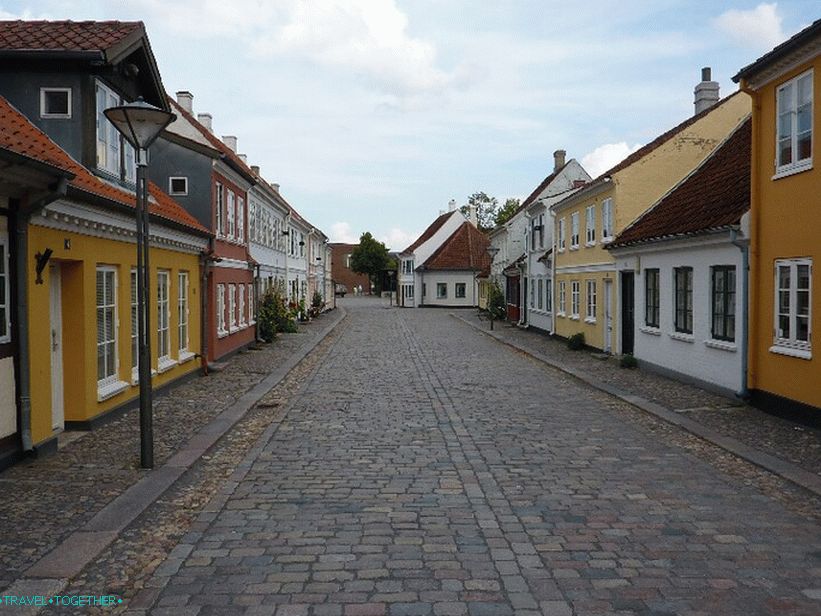 Odense
Denmark Attractions
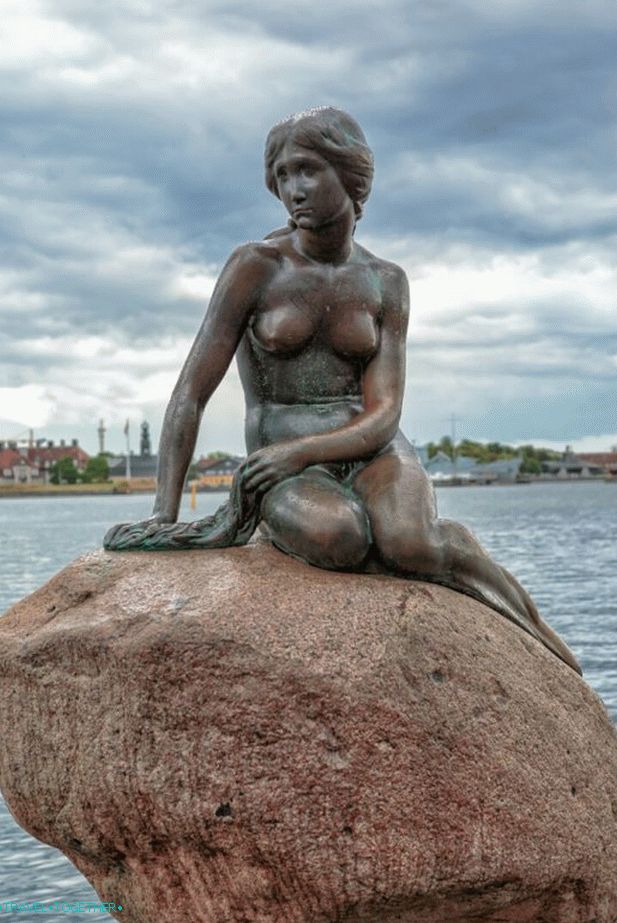 Mermaid
Little Mermaid – a bronze statue that depicts a character famous fairy tale H. K. Andersen. It was opened in 1913 and is now a true symbol of Copenhagen. The statue was done by Edward Eriksen on the order of the son of the founder of the brewery Carlsberg.
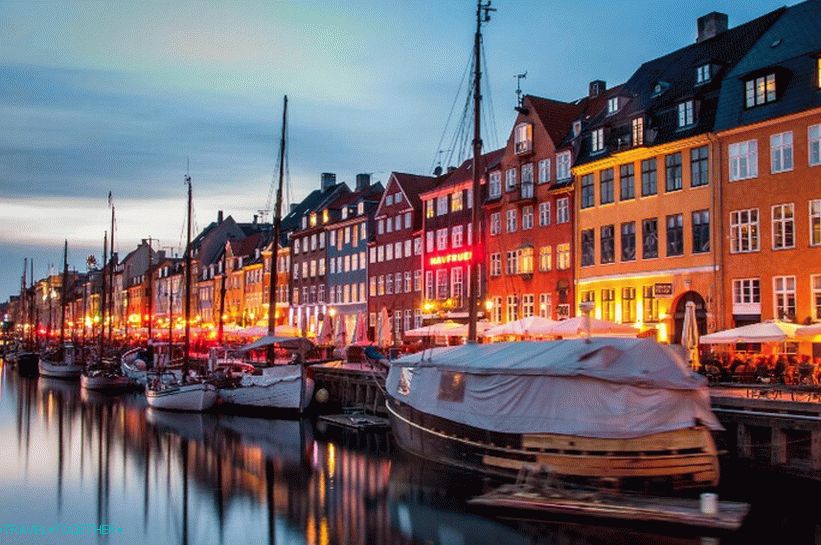 New Harbor
New Harbor (Nyhavn) – one of the most beautiful places in Copenhagen with old colorful houses, restaurants and ships. This charming quarter is known for its wonderful atmosphere and is one of the main Danish attractions capital Cities.
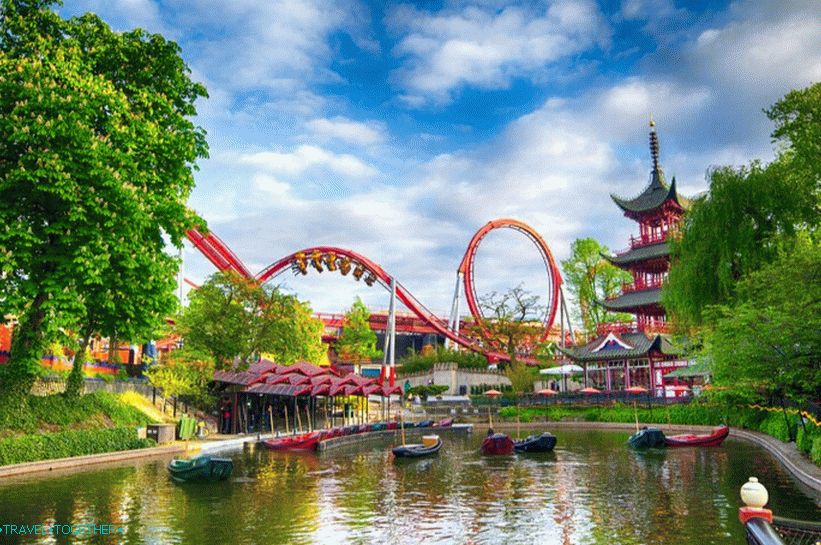 Tivoli
Tivoli is one of the oldest amusement parks in Europe, created in 1843. It has a huge selection of attractions, including roller coasters, carousels, puppet theaters, restaurants, cafes, gardens and even a moorish concert hall. Tivoli is present the symbol of Copenhagen and the mastermind behind many other famous theme parks.
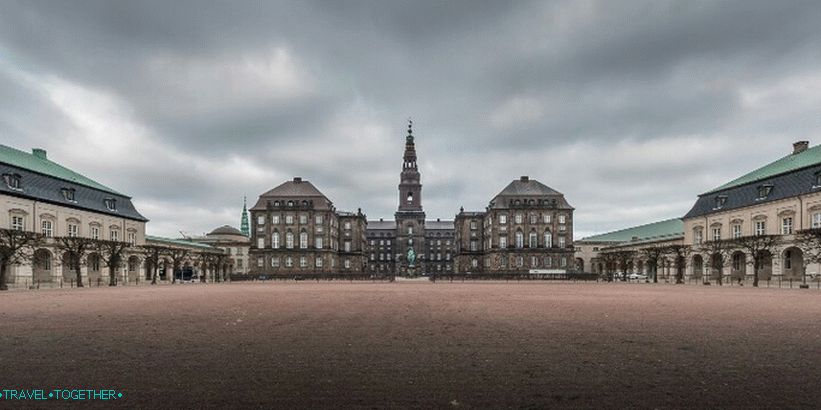 Christiansborg
Christiansborg – the royal castle and residence of the Danish Parliament Folketing. Located in the historic center of Copenhagen on the island of Slotsholmen. In the Middle Ages here was built episcopal castle, destroyed in the 14th century.
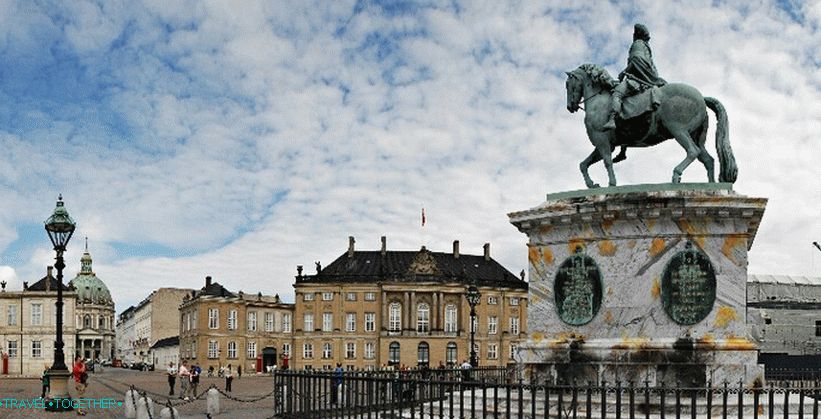 Amalienborg
Amalienborg is a rococo palace complex in Copenhagen, built in the 18th century. Its architecture combines both German, and French stylistic elements. Was originally built as a palace of nobles, but soon became the winter residence Danish royal family.
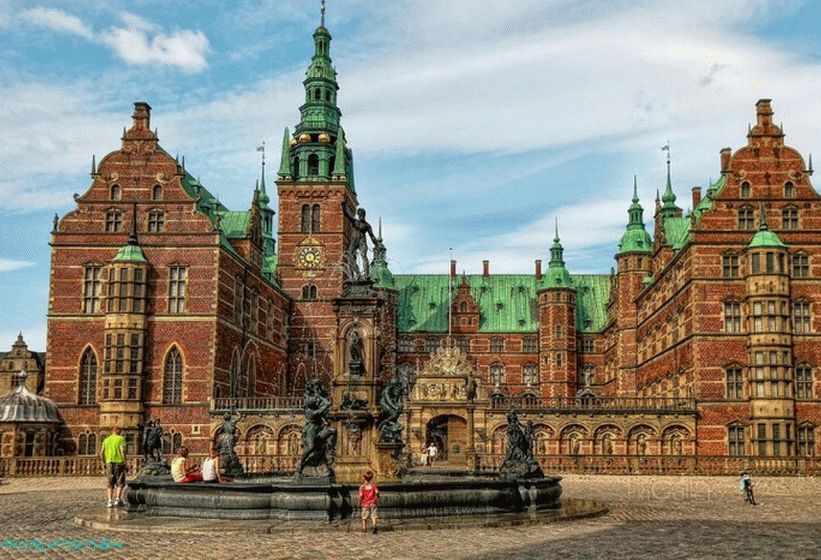 Frederiksborg
Frederiksborg – the residence of the Danish kings in the city of Hillerød, which is a masterpiece of the Danish renaissance. The palace was built between the 16th and 17th centuries. Now in its walls is a museum national history.
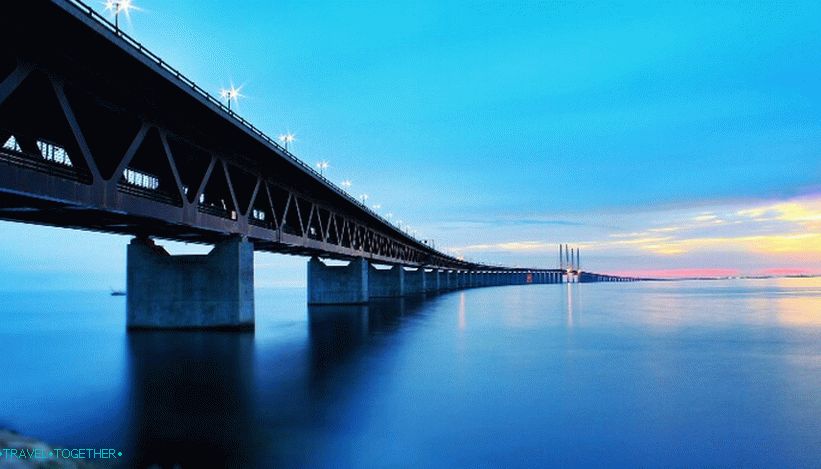 Bridge Öresund
The Öresund Bridge is one of the most famous engineering structures. Scandinavia. This road bridge is over 10 km long and connects Copenhagen, the island of Zealand and Sweden.
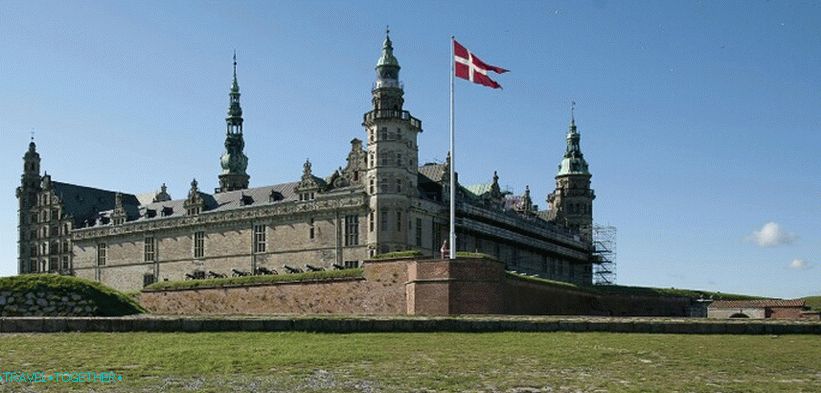 Kronborg
Kronborg is one of Denmark’s most famous sights. which is listed as a UNESCO World Heritage Site. This beautiful ancient castle known as the scene of the tragedy William Shakespeare’s “Hamlet” and is located in the city of Elsinore. Present he gained a look in 1640.
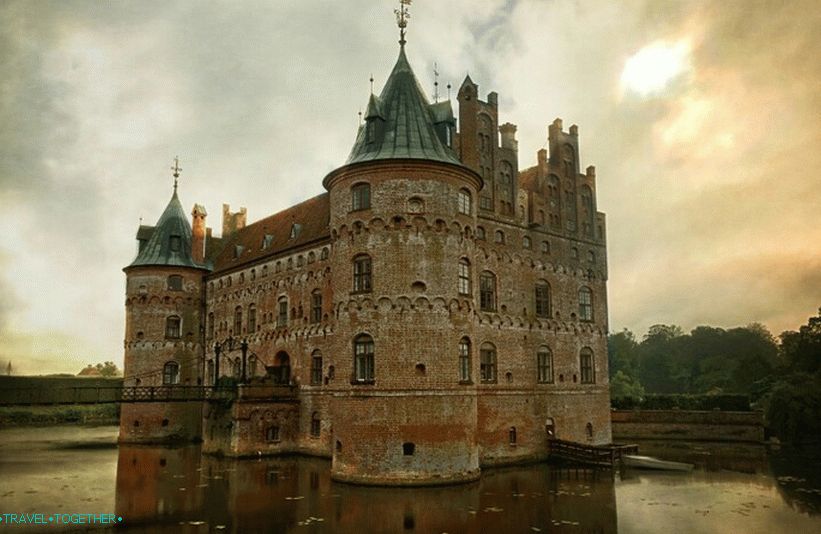 Egeskov
Egeskov – fairytale castle on the island of Funen, located in 30 min from Odense. Is one of the best preserved castles with a moat in Europe. This excellent structure of the Renaissance was built in 1554 and originally used for defense goals.
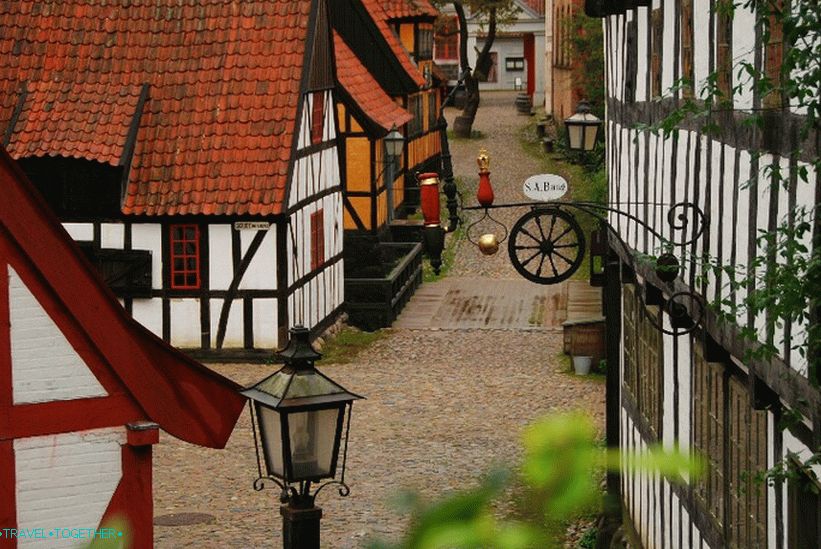 Den Gamle
Den Gamle – an open-air museum in Aarhus, which is divided three blocks illustrating life in Denmark in the Middle Ages, 19 and 20th century.
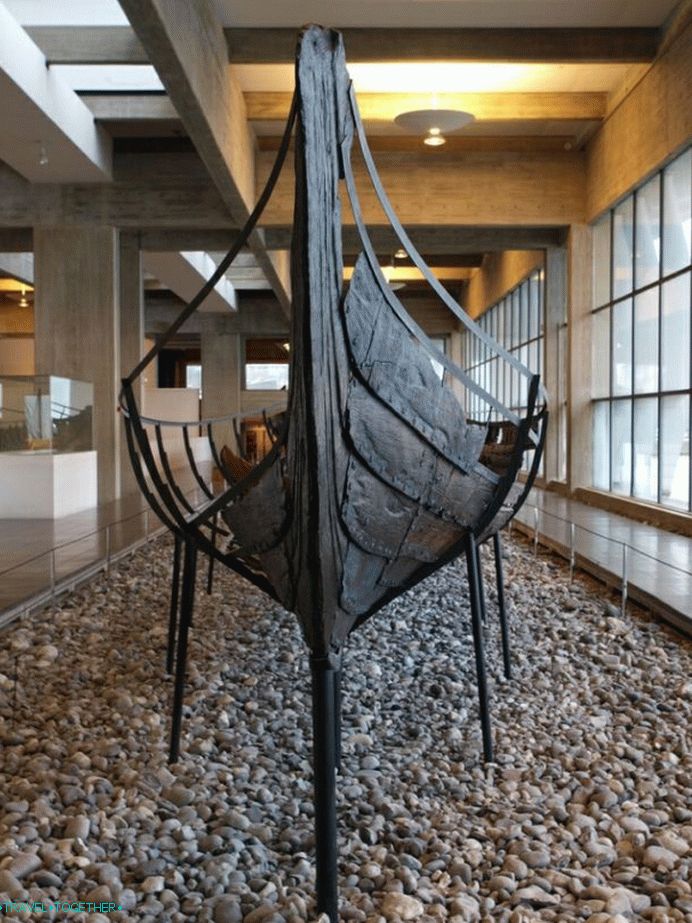 Viking Museum
The Viking Museum is one of the most interesting museums in Denmark, which allows you to touch the Viking Age. Pearls Collection are five ancient ships that were carefully restored. The museum is located in Roskilde.
Accommodation
Living in Denmark is expensive. Average price for a double number hovers around 800 DKK (107 €). Of course always you can find something cheaper – a bed and breakfast hotel, hostel or camping in general. By the way, in Denmark about 500 campgrounds, most of which are well equipped with modern amenities.
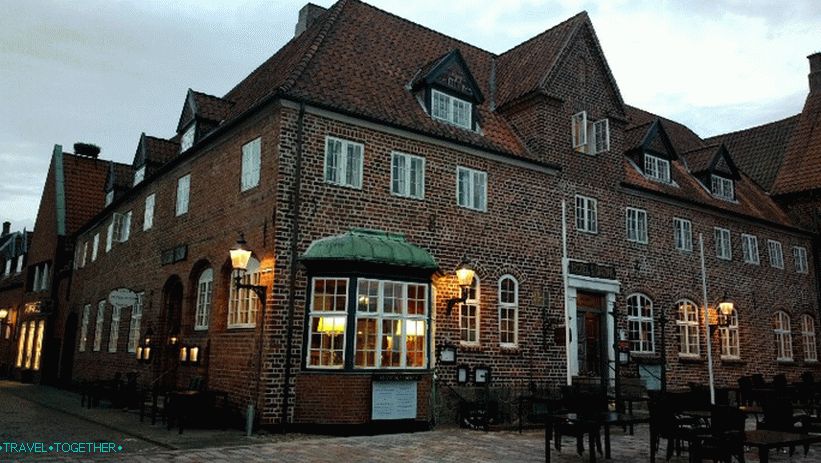 Hotel in Denmark
Kitchen
Danish national cuisine is a combination of Scandinavian and German culinary traditions. The dishes here are simple, they are nutritious and distinctive.
Traditional food:
- Marinated herring.
- Stjerneskud – flounder fillet, shrimp and mayonnaise.
- Røget ål og røræg – fried eggs with smoked eel.
- Pariserbøf – beef tenderloin with capers, horseradish, onions.
- Dyrlægens natmad – liver pate, corned beef pieces, onion rings.
- Flæskesteg – slices of fried pork with pickled red cabbage.
- Hakkebøf – fried beef patties with onions, eggs and pickled cucumbers.
- Shrimp and other seafood.
- Old cheese.
Avoid touristy places where there are no Danes. Popularity local establishments are almost always an indicator quality.
The most popular drink is beer, which, basically, represented by lager. Carlsberg’s largest brewery (which also owns the brand Tuborg) brews several types of foamy drink. Also popular in Denmark are Aquavit (Snaps) and winter Gløgg (hot wine drink).