Coimbra (Portugal) – the most detailed information about the city with a photo. The main attractions of Coimbra with a description, guides and maps.
Contents
City Coimbra (Portugal)
Coimbra is a city in Central Portugal and the center of historical Beira-Litoral region. Famous for its university – the oldest in included in the list of UNESCO World Heritage Sites also a fantastic collection of beautiful churches, ancient monasteries and magnificent museums. Coimbra – one of the most important historic cities of Portugal, which is the second capital independent kingdom (the first capital was Guimaraes). The center of Coimbra is divided into two parts: the Lower Town and the Upper Town. Her historic heart is on a picturesque hill above the river. Mondegu and concentrated around the old university.
- Geography and climate
- Practical information
- Story
- sights
- Video
- Maps and guides
- Comments and reviews
Geography and climate
Coimbra is located between Lisbon and Porto in the hills of the valley Mondego River. The city has a Mediterranean climate with hot summers and mild winter.
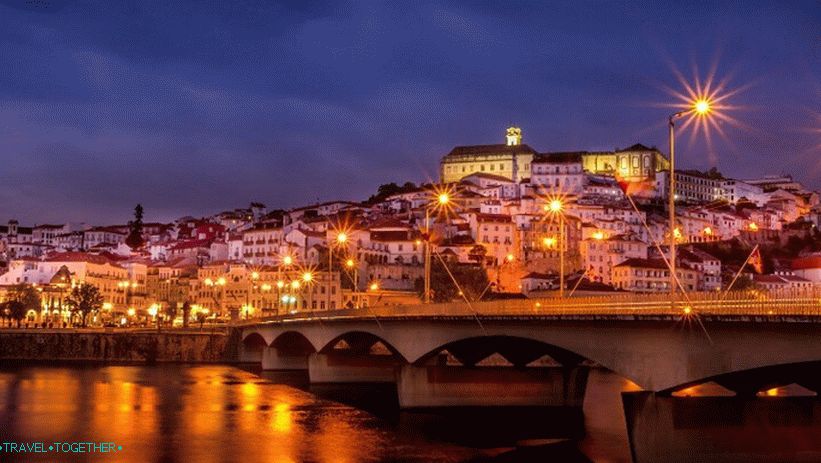 Evening Coimbra
Practical information
- The population is more than 140 thousand people.
- Area – 316.83 km².
- Currency – Euro.
- The language is Portuguese.
- Visa – Schengen.
- Time – UTC 0, in the summer +1.
- The nearest major airports are located in Lisbon and Porto. By train to Coimbra you can get from Braga, Lisbon, Porto, Madrid
- Lots of good restaurants located in the old town (Baixa quarter).
Story
The hill above the Mondego River (where the historical center) was settled back in the Roman era and is known as Aeminium. Between 569 and 589, the city was plundered by the Sweve and Visigoths. In the 8th century, Coimbra became the capital of the eponymous county. Between 711 and 715, the city was captured by the Moors and belonged to them. until the 11th century. In 1064, Coimbra was conquered by the kingdom of Leon. AT Subsequently, the city and surrounding area were incorporated into the county of Portugal. Between the 12th and 13th centuries, Coimbra was the capital of an independent Portuguese kingdom.
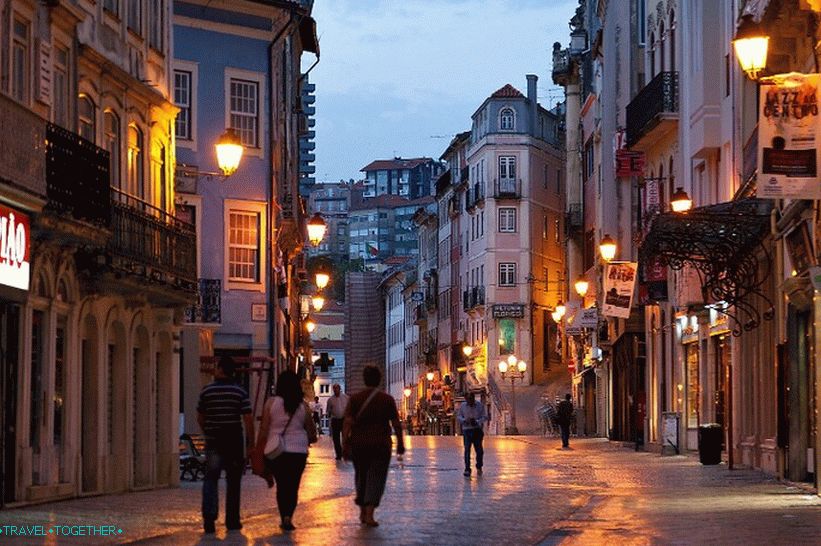 Coimbra Streets
Already in the Middle Ages, Coimbra was divided into Upper Town (Cidade Alta), where the aristocracy and the clergy lived, and the Lower City (Cidade Baixa), where merchants and artisans lived. The medieval settlement was surrounded by a fortress wall, the remains of which survived to our time. In 1290 in Coimbra was founded university which is the oldest educational institution Portugal In the 15th and 16th centuries the city was one of the artistic and cultural centers of the Portuguese kingdom.
sights
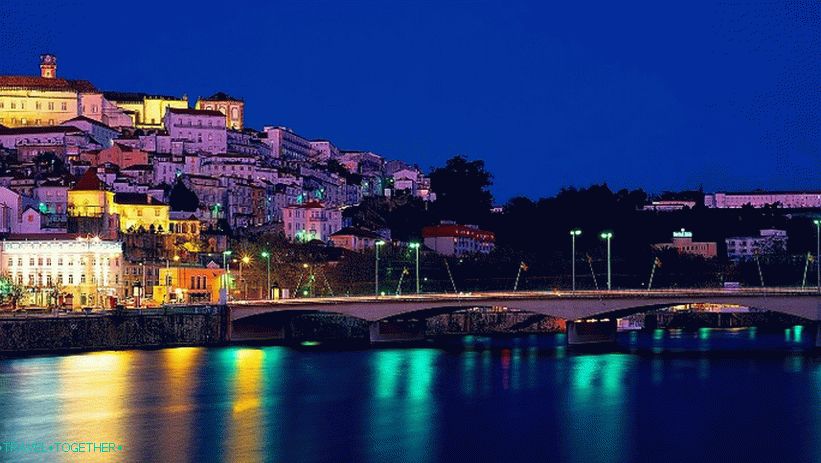 Upper Town
Coimbra has a gorgeous old town whose heart located on a hill above the river Mondego. Here are medieval monasteries, cathedrals and several beautiful museums are clustered around old university.
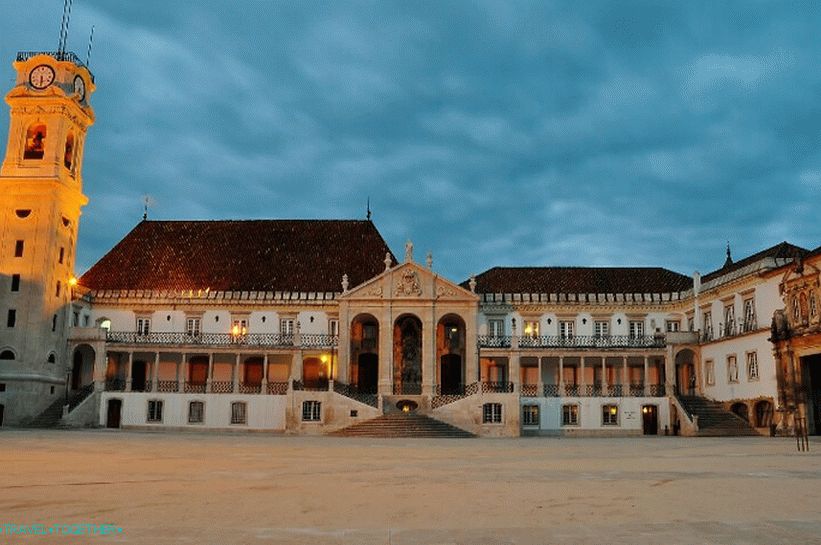 University Coimbra
Coimbra University – one of the oldest educational institutions Europe, founded in 1290. Its historic buildings are included in UNESCO World Heritage List. University was partially rebuilt in the 17th and 18th centuries in baroque and neoclassicism. The most interesting features: the chapel of San Miguel 16th century with beautiful azulezhu, baroque altar and organ, and also an 18th century library.
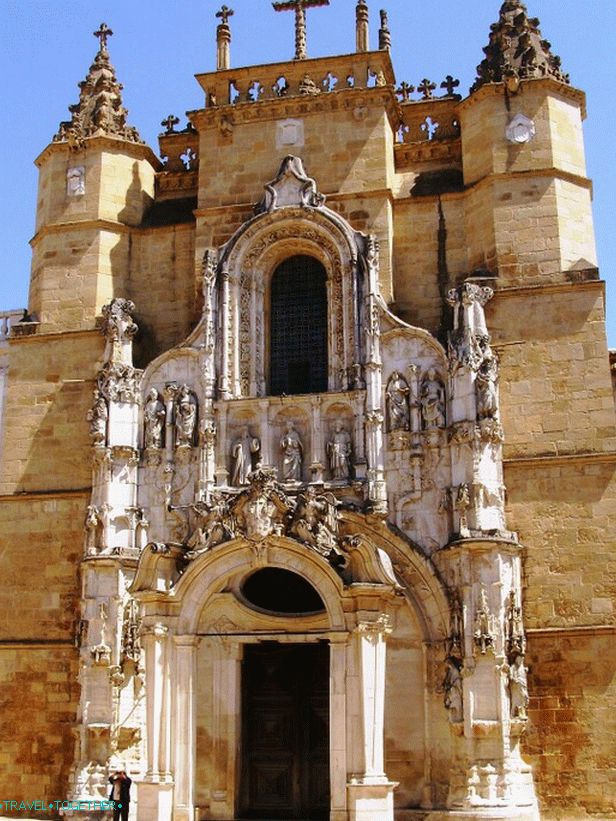 Santa Cruz
Santa Cruz – a magnificent Romanesque church with a stunning facade in the style of Manueline architecture, which is built with with the participation of the best Portuguese sculptors of the 16th century. Church used to be part of an ancient Augustinian monastery of the 12th century. Here The first kings of Portugal were buried.
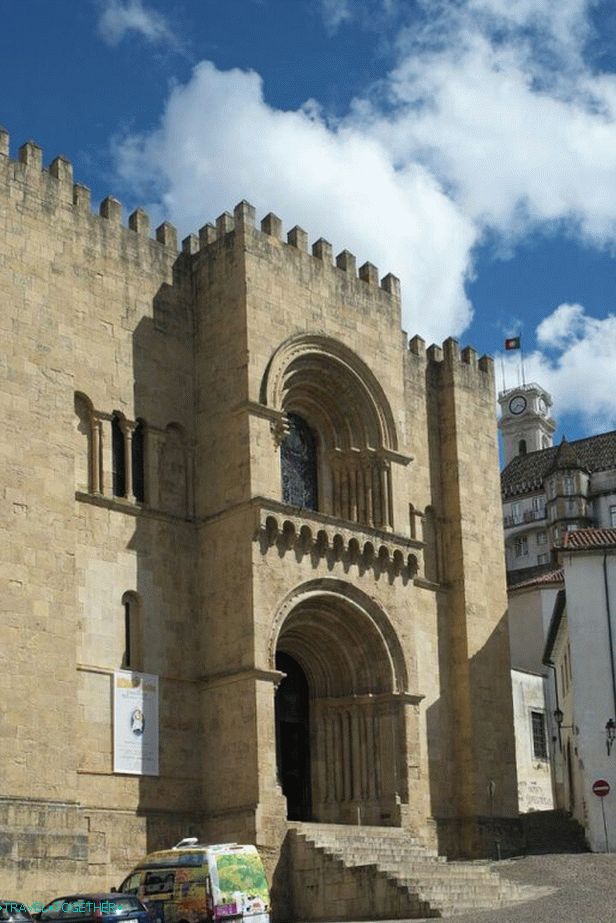 old cathedral
The old cathedral is one of the best examples of Romanesque architecture in Portugal It dates back to the 12th century and looks more like a solid fort. Despite its rather gloomy appearance, the old cathedral has beautiful interior in which late gothic high stands out 15th century altar and works of Flemish wood craftsmen.
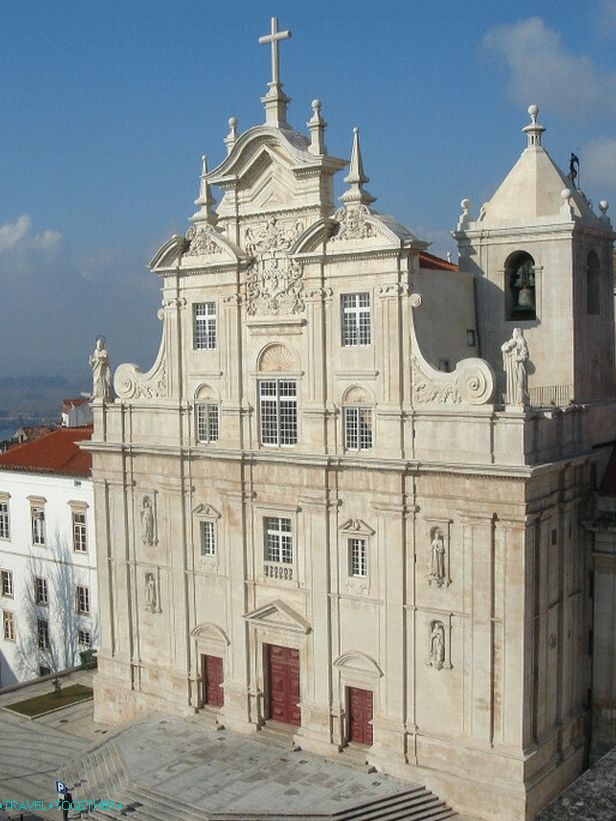 New Cathedral
The new cathedral is an old church of the 16th century, founded by the Jesuits. It has a fancy cone-shaped facade in the Manueline style architecture and rich interior with a high altar of the 17th century and 18th century organs.
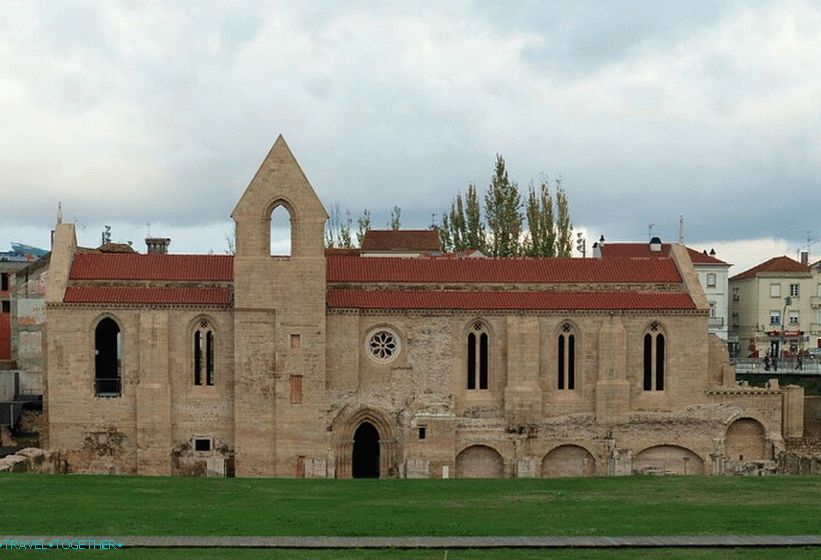 Santa Clara-a-Velha
Santa Clara-a-Velha – ruins of a monastery of the 13th century on the southern coast Mondego River. It was abandoned in the 17th century after permanent floods. The monastery was built on the instructions of the widow Portuguese king Isabel, who was buried here. After the monastery was abandoned, its stone sarcophagus was moved to Santa Clara-a-Nova.
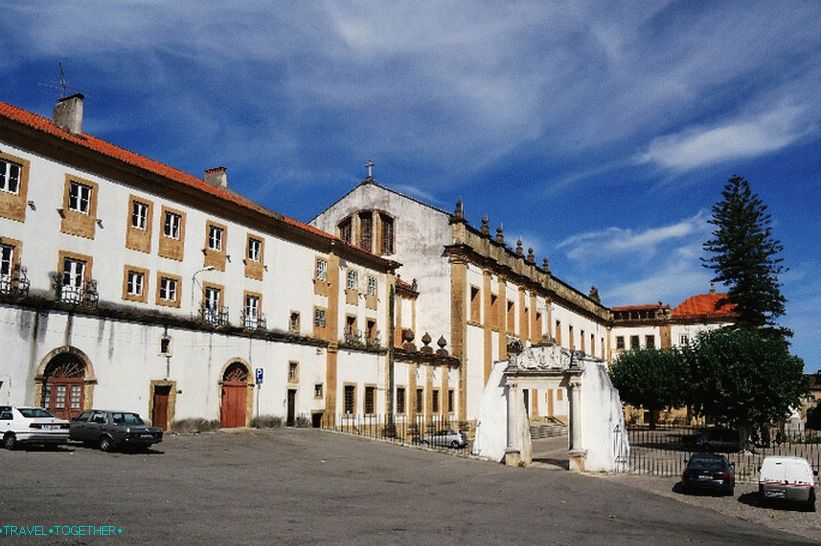 Santa Clara a Nova
Santa Clara-a-Nova – a new monastery of the 17th century, replacing the old monastery of sv. Clara. Now is part of the military the barracks.
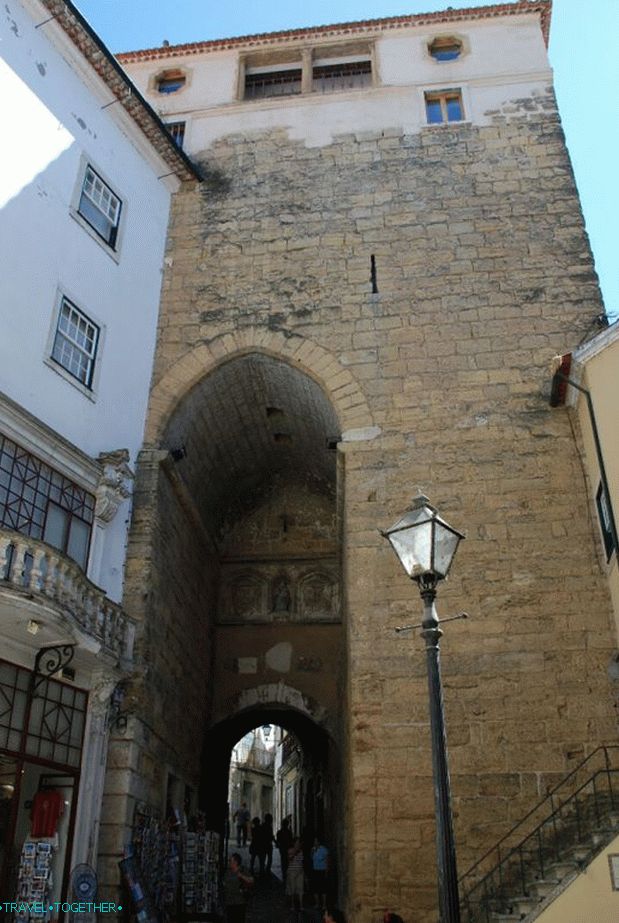 Arch Almedina
The Almedina Arch is part of the original gate to the old city, which is a relic of the Moorish city walls of Coimbra. The oldest part of this building dates back to around 9th century and originally consisted of a pair of towers connected by an arch. Goal were rebuilt in the 12th century.
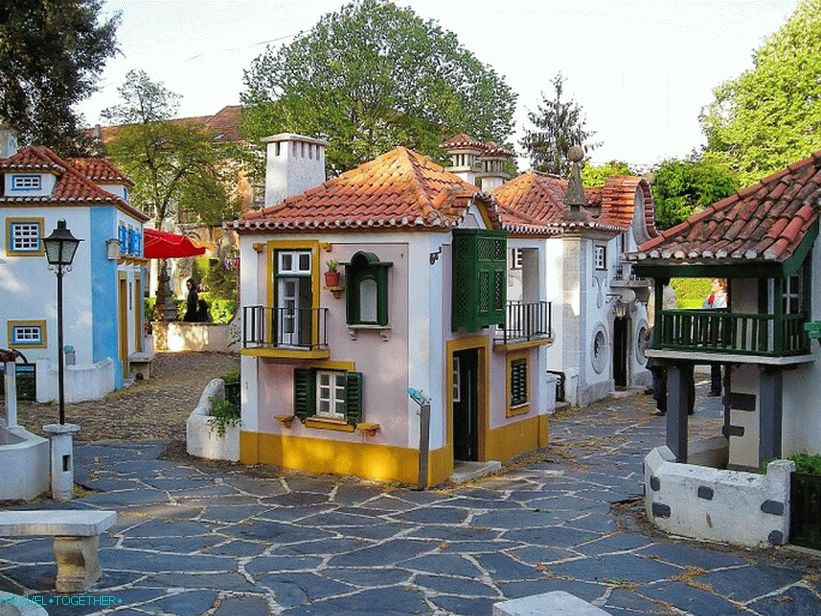 Small Portugal
Little Portugal is an interesting theme park that is a country in miniature: a smaller version of the most famous portuguese monuments, the finest buildings and traditional villages.
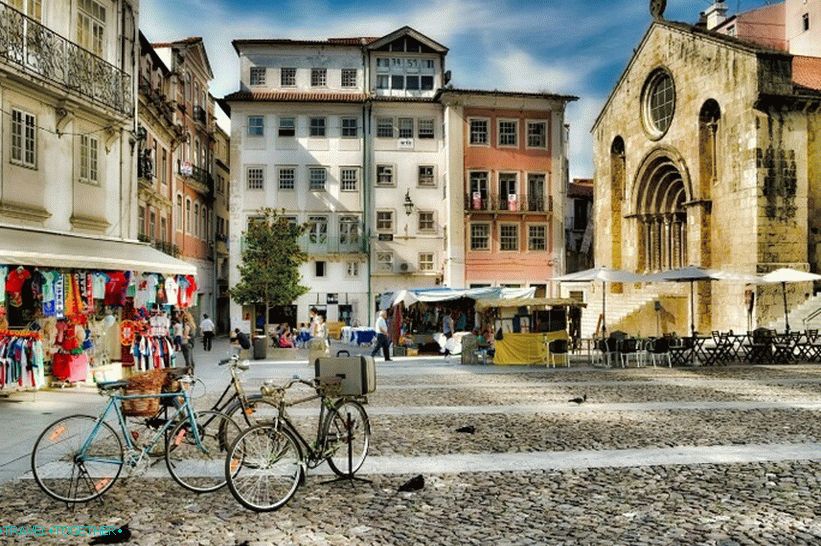 Market Square
The Market Square (Praça do Comércio) is a charming home area of the city, which is its commercial center. In her The corner is the beautiful ancient church of San Tiago, which dates back to the 12th century.
Video
Maps and guides
Tourist Card