Aveiro (Portugal) – the most detailed information about the city with a photo. The main attractions of Aveiro with a description, guides and maps.
Contents
Aveiro City (Portugal)
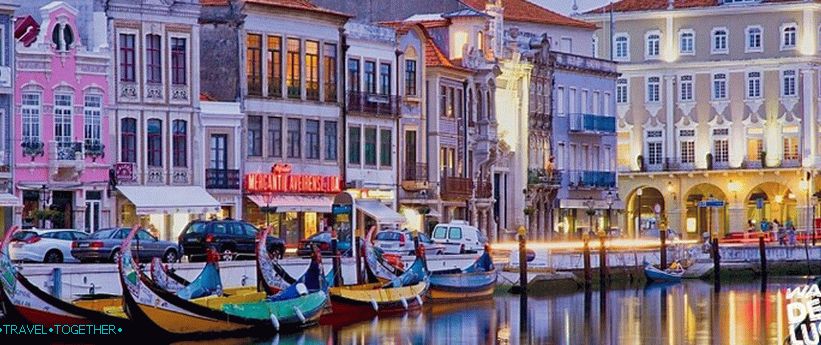
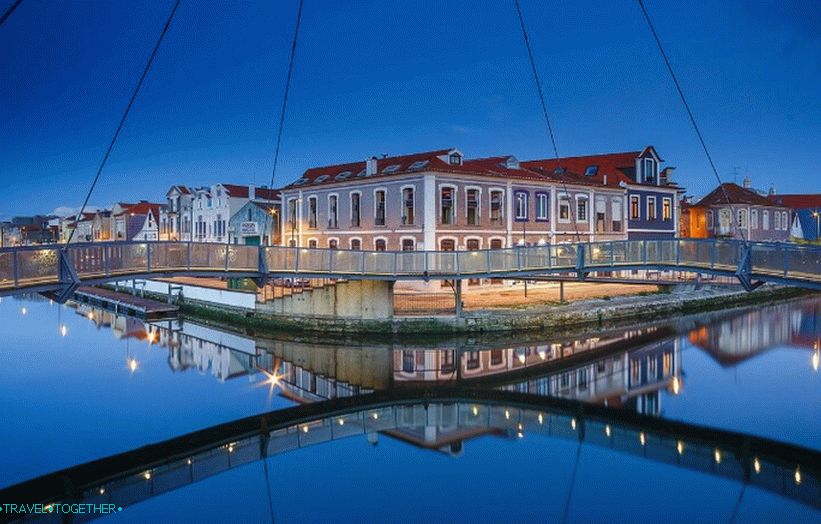
Aveiro – a city in the north-west of Portugal in the region Beira-Litoral. Famous for Art Nouveau architecture, canals and bridges, as well as bright boats, like the Venetian gondolas. Therefore, Aveiro is often called the “Portuguese Venice”, although this comparison, of course, is clearly exaggerated. This is unusual and wonderful city that is a great day trip from Porto.
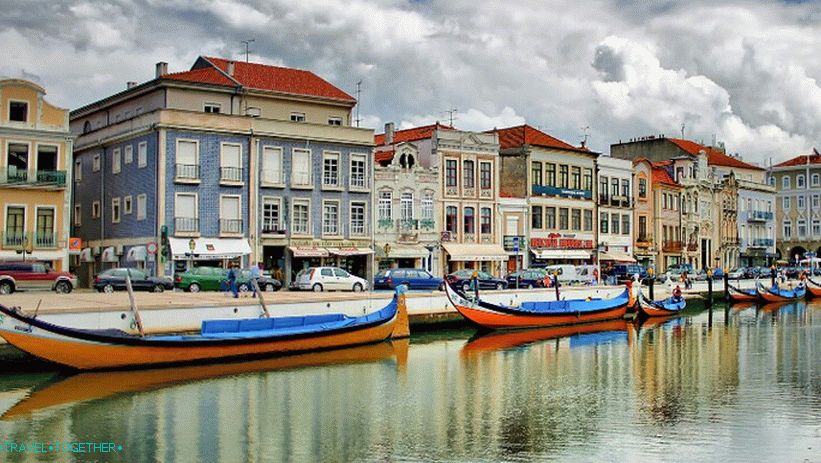
Delightful traditional boats “Moliceiros” painted in bright colors. The drawings on them depict scenes from the life and history of the city. These boats were previously used to collect seaweed. Now they ride tourists.
- Geography and climate
- Practical information
- Story
- sights
- Video
- Maps and guides
- Comments and reviews
Geography and climate
Aveiro is located 220 km north of Lisbon and 58 km south Porto. The city is located a few kilometers from the Atlantic ocean and is a seaport. Aveiro has a wet Mediterranean climate with warm summers and mild winters. November, December and January are the rainy season. Also in winter and autumn often blow strong westerly winds.
The coast of Aveiro is famous for its stunning sandy beaches: San Jacinto, Barra and Costa Nova.
 Aveiro
Practical information
- The population is more than 70 thousand people.
- The area is 197.58 km2.
- The language is Portuguese.
- Currency – Euro.
- Visa – Schengen.
- Time – UTC 0, in the summer +1.
- Aveiro is famous for its fish delicacies. The best place where can try the local cuisine is the fish market (Praça do Peixe). Eel based dishes are among the most popular. among the locals.
- Aveiro has a regular train service to Porto, Coimbra or Lisbon. Nearest International Airport located in Porto.
- Along Rua Batalhão Caçadores and the central channel is located large shopping center, including 76 stores.
Story
Aveiro is first mentioned in 959 under the name Aviarium. For a long time, the city was an important economic link in the production salt and commercial shipping. Later Aveiro was captured the Moors who held him until the 11th century.
 Aveiro
In 1435, Aveiro received the right to hold fairs, and in 1515 year – city law. Between the 16th and 17th centuries channel silting led to barriers to port use. It spawned socio-economic crisis that was overcome only in 19th century.
sights
 Canal in Aveiro
Aveiro is considered one of the most picturesque and romantic cities. Portugal, the main attraction of which is a maze of canals filled with bright boats.
 Museum of Art Nouveau
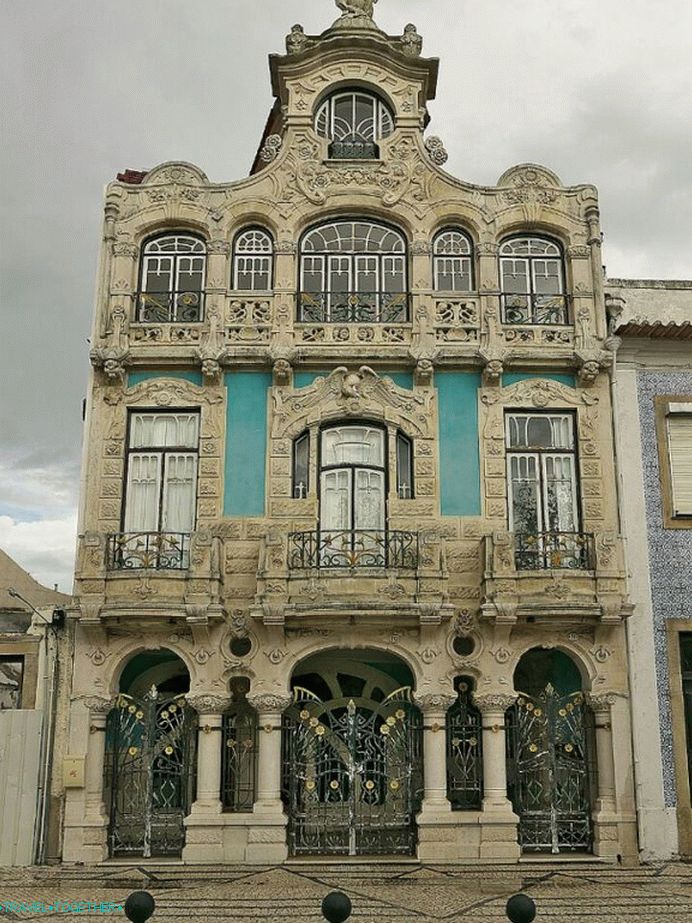
Along the main canal in the city center there is a series of buildings with facades inspired by the Art Nouveau period. Bright colors mixed with smooth, curved lines and forged inserts, give Aveiro special charm.
In Aveiro you definitely need to ride on traditional boats. moliseiros. The cost of the trip is about 7 euros.
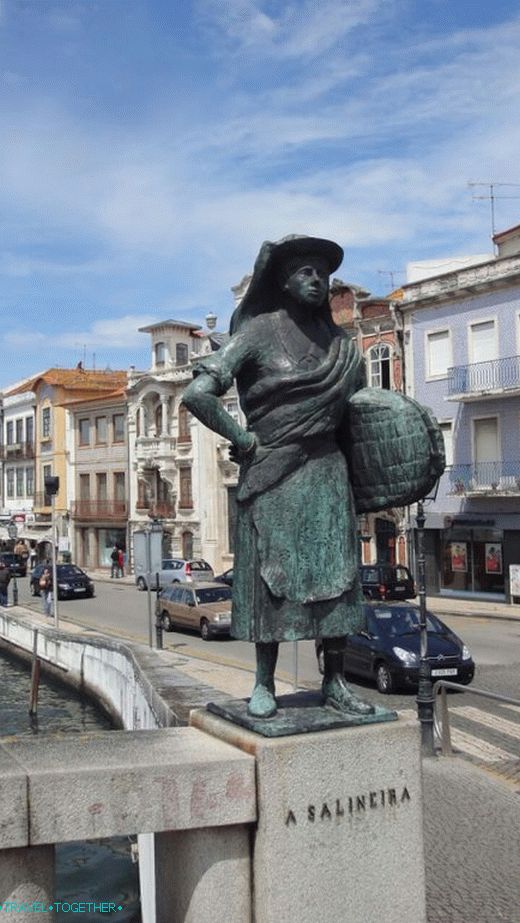 Statues on the bridge
In the center of Aveiro, there are four bronze statues on the bridge; which depicts people in traditional costumes.
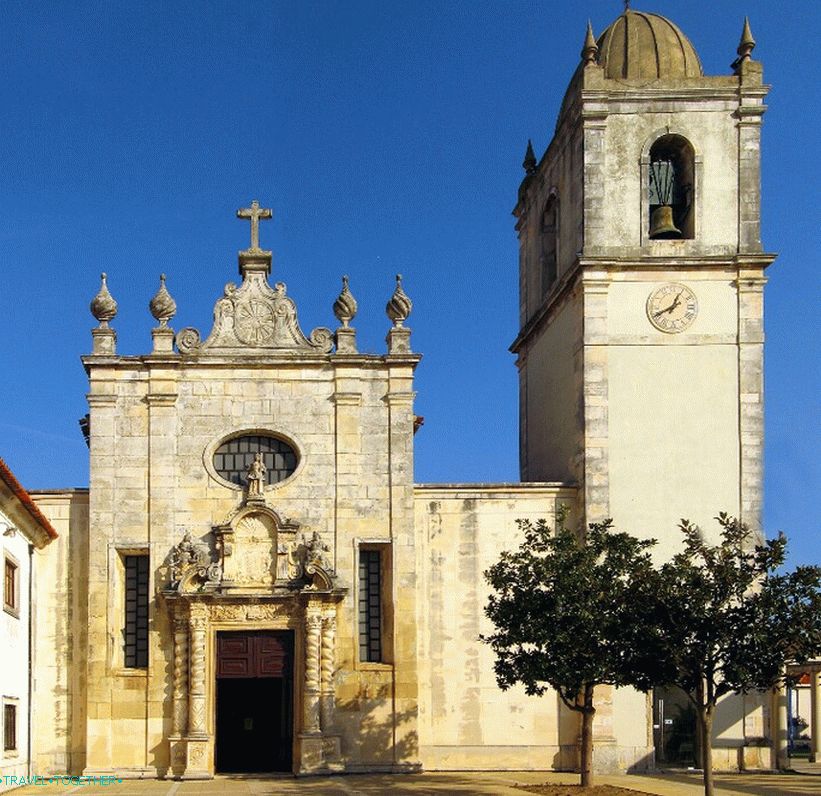 Cathedral San Domingo
The Cathedral of San Domingo – the majestic national monument, which was built at the beginning of the 15th century. Simple external The limestone facade shows off an original gothic design. The rest of the church has undergone significant changes in style. Baroque in the 17th and 18th centuries.
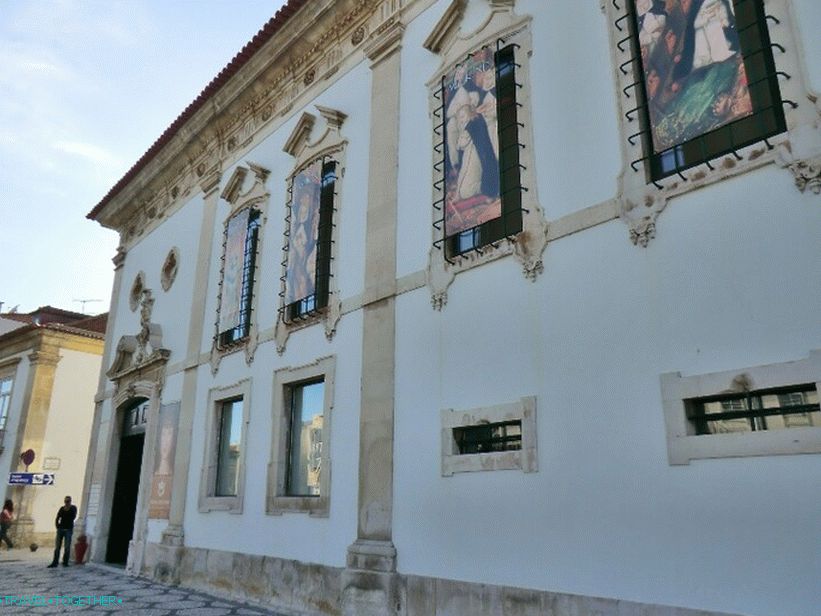 Aveiro Museum
The Aveiro Museum is located in a 15th century monastery building next to cathedral. Here is a wide range of significant culturally related sculptures, paintings and jewels.
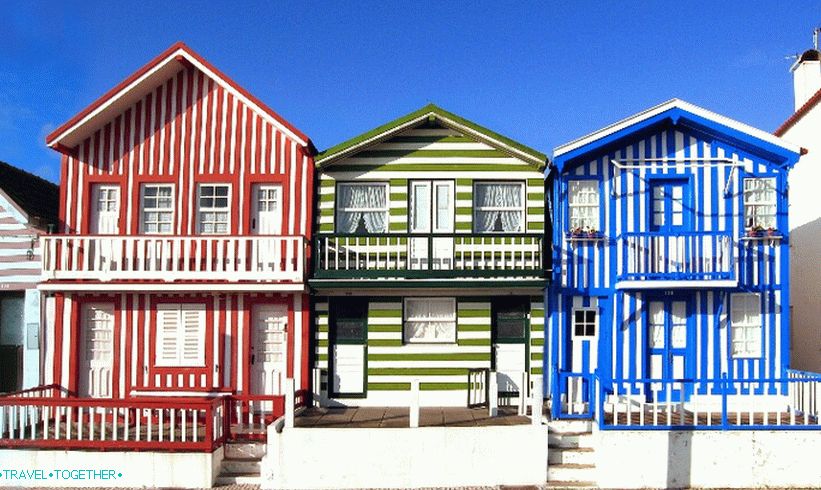 Costa nova
Costa Nova – a beach with a small town that is famous rainbow striped fishing houses. These charming buildings once used to store fishing gear but now some of them are used as living quarters.
Video
Maps and guides
Tourist Card